





What's Happening?
The fishing industry is undergoing significant technological innovation focused on achieving sustainable fishing practices. This interdisciplinary field combines engineering, biological, and computational sciences, often in collaboration with fishers,
managers, and environmental agencies. Innovations span from modifications in gear design to the application of artificial intelligence. Key drivers for these advancements include the imperative to reduce bycatch, minimize impact on non-target species, adapt to climate change, and improve operational efficiency due to economic factors like rising fuel costs. Historically, innovations primarily aimed at maximizing catch efficiency, but modern efforts are geared towards promoting sustainability, reducing environmental impacts, and enhancing transparency in seafood supply chains. Research is exploring new designs for trawls, traps, gillnets, and longlines to improve species and size selectivity, prevent interactions with protected species, and optimize fishing performance.
Why It's Important?
These technological advancements are crucial for the long-term viability of U.S. fisheries and marine ecosystems. By reducing bycatch and minimizing habitat damage, these innovations help conserve fish stocks and biodiversity, which are vital for ecological balance and the economic stability of fishing communities. Improved efficiency can lower operational costs for fishers, making the industry more sustainable economically. Furthermore, consumer demand for sustainably sourced seafood is driving these changes, influencing market trends and potentially creating a competitive advantage for companies adopting these technologies. The integration of AI and advanced data collection methods also promises to enhance fisheries management, allowing for more precise monitoring and regulation, which can prevent overfishing and ensure healthier marine environments for future generations.
What's Next?
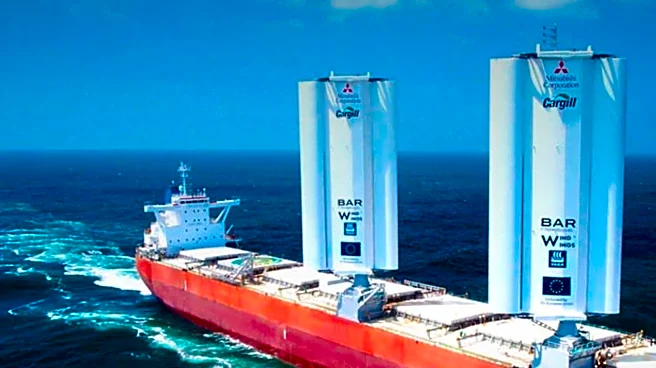
Future developments in fishing technology are expected to continue focusing on precision and sustainability. This includes further refinement of selective fishing gears, wider adoption of AI for fish behavior analysis and catch prediction, and the development of more fuel-efficient vessel designs. There will likely be increased collaboration between technology developers, scientists, and fishing communities to ensure practical and effective implementation of new tools. Regulatory bodies may also adapt policies to encourage or mandate the use of these sustainable technologies, potentially through incentives or new standards. Research into adapting fishing practices to climate change impacts, such as shifting fish populations, will also intensify, leading to more resilient and adaptive fishing strategies.
Beyond the Headlines
The push for sustainable fishing technology extends beyond immediate environmental and economic benefits, touching upon ethical considerations and the broader human relationship with natural resources. These innovations represent a shift from purely extractive practices to a more stewardship-oriented approach, acknowledging the finite nature of marine resources. The development of technologies that reduce harm to marine life reflects a growing societal awareness and ethical responsibility towards the environment. This evolution in fishing practices could also serve as a model for other resource-intensive industries, demonstrating how technological ingenuity can align economic interests with ecological preservation. Ultimately, these advancements contribute to a more holistic understanding of marine ecosystems and humanity's role within them, fostering a culture of conservation and responsible resource management.