







What's Happening?
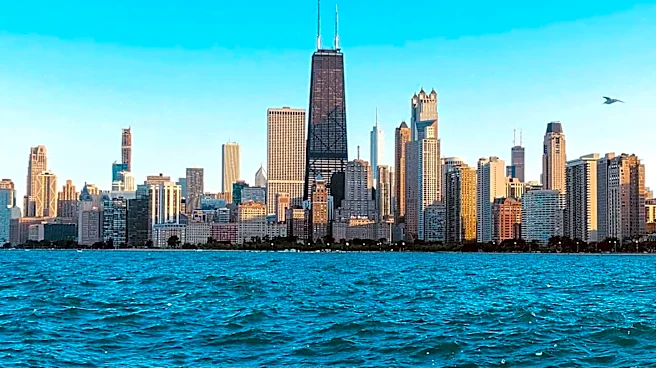
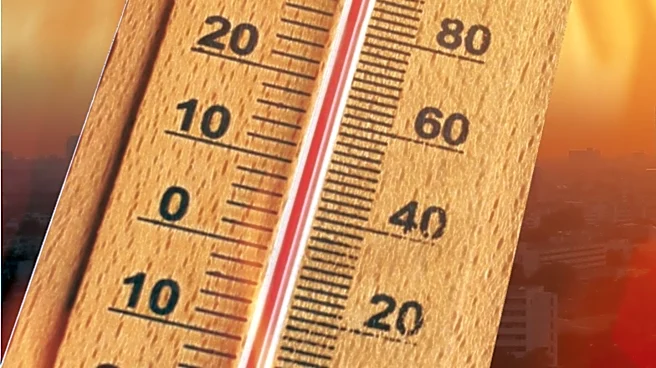
On July 13, 1995, Chicago experienced a severe heat wave with temperatures reaching 106 degrees at Midway Airport. This extreme weather event persisted for several days, with temperatures remaining in the high 90s and low triple digits. The heat wave resulted
in a significant number of heat-related deaths, with the Cook County medical examiner's office overwhelmed by the influx of bodies. On July 15, the daily death toll peaked at 215, necessitating the use of refrigerated trucks to manage the overflow of corpses. This event is remembered as one of the deadliest heat waves in Chicago's history.
Why It's Important?
The 1995 Chicago heat wave highlights the severe impact of extreme weather conditions on urban populations, particularly vulnerable groups such as the elderly and those without access to air conditioning. The event underscored the need for improved emergency response strategies and infrastructure to handle such crises. It also raised awareness about the potential consequences of climate change, as rising global temperatures could lead to more frequent and intense heat waves. The tragedy prompted city officials to implement better heat emergency plans and public health measures to prevent future fatalities.
What's Next?
In the aftermath of the 1995 heat wave, Chicago and other cities have taken steps to enhance their preparedness for extreme weather events. This includes establishing cooling centers, improving public communication during heat emergencies, and increasing access to air conditioning for at-risk populations. As climate change continues to pose challenges, cities must adapt their infrastructure and policies to mitigate the effects of extreme heat and protect public health.