




What's Happening?
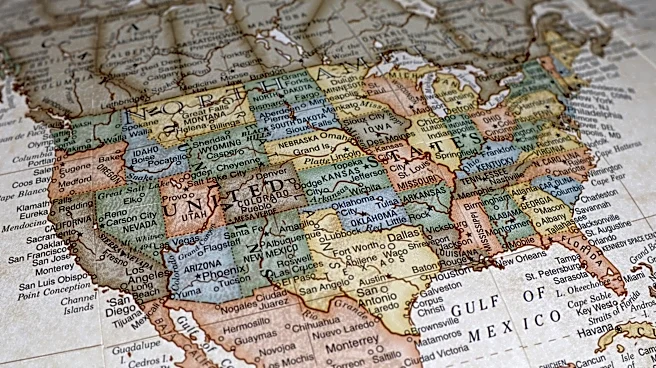
The U.S. Department of Agriculture (USDA) is intensifying its efforts to combat the New World screwworm by investing $25 million in a new facility in Douglas, Arizona. This facility is part of a broader strategy to prevent the pest from spreading further
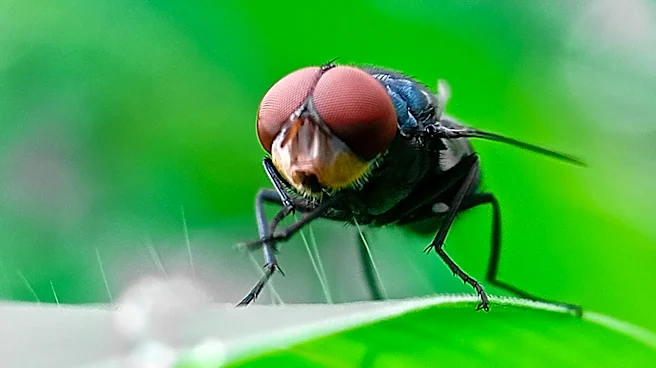
into the United States. The Arizona facility will focus on dispersing sterile flies, a biological control technique that involves releasing sterile male flies to reduce the reproduction of wild populations. This method has been a central part of USDA's response to the screwworm threat, which became more urgent after the pest was detected in U.S. livestock, with the first case confirmed in a Texas calf in June 2026. The USDA is also developing a major sterile fly production facility at Moore Air Base in Edinburg, Texas, expected to produce up to 300 million sterile flies per week.
Why It's Important?
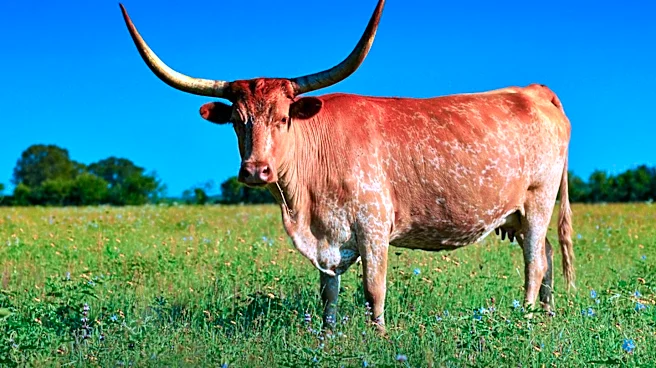
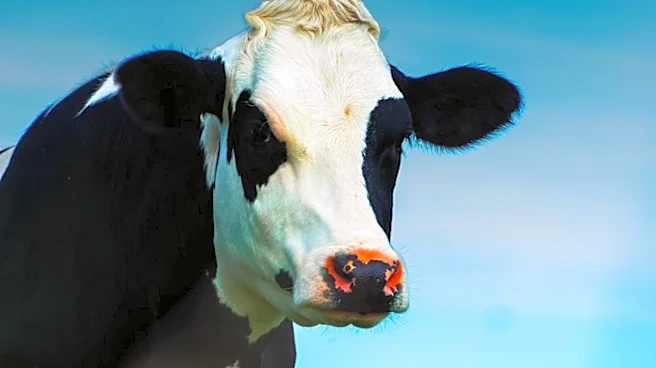
The New World screwworm poses a significant threat to livestock, pets, and wildlife, with a potential widespread outbreak causing substantial agricultural losses. The USDA's investment in sterile fly facilities is crucial for protecting the U.S. cattle industry, which is already facing challenges due to reduced Mexican cattle imports and historically low domestic herd levels. The trade suspension with Mexico has led to tighter cattle supplies and record-high beef prices, impacting consumers and the beef supply chain. The USDA's strategy aims to balance protecting American livestock from the pest while restoring cattle imports from Mexico, which are vital for the U.S. beef market. The success of this approach could prevent the screwworm from establishing itself in larger areas of the country.
What's Next?
The USDA plans to reopen the Douglas, Arizona, port to cattle imports on August 24, with potential phased reopenings in New Mexico. This process is conditional on Mexico implementing an agreed control plan, and imported animals will be inspected for signs of the pest. The USDA is also working with Mexico and Panama to enhance international cooperation, with facilities in these countries producing millions of sterile flies weekly. The coming months will test whether the U.S. can protect its livestock industry while restoring cross-border cattle trade, which remains crucial for the American beef market.