




What's Happening?
Turkish President Recep Tayyip Erdogan addressed the OECD 6th Skills Summit in Istanbul, emphasizing the transformative impact of artificial intelligence and robotics on the global workforce. He likened the current technological shift to the Industrial
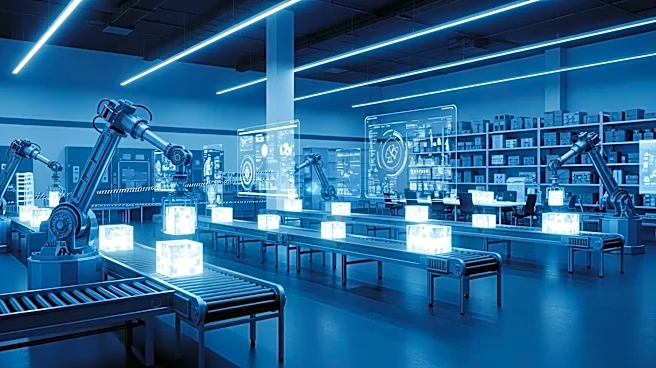
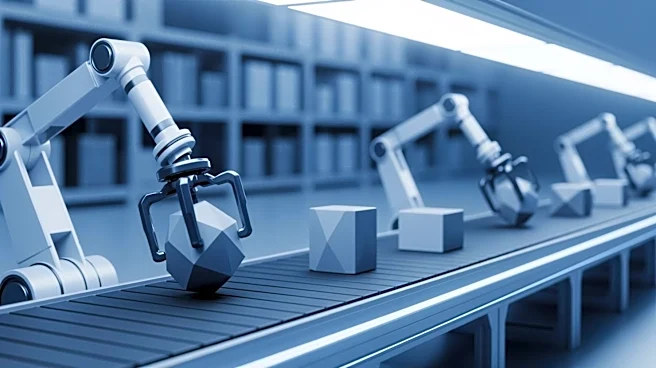
Revolution, highlighting the emergence of 'dark factories'—fully automated production facilities—as a sign of significant change in the labor market. Erdogan noted that the global robotics market, valued at $100 billion, is projected to reach $25 trillion by 2050. He stressed the importance of preparing workforces to harness the opportunities presented by AI while mitigating social risks, particularly for women, migrants, and disadvantaged students who may be left behind in this transition.
Why It's Important?
The remarks by President Erdogan underscore the profound changes AI and robotics are bringing to the global economy, with potential implications for job markets, economic structures, and social equity. As industries evolve, there is a pressing need for governments and businesses to adapt by investing in education and training to equip workers with the necessary skills. The shift could lead to increased productivity and economic growth, but also poses challenges such as job displacement and widening inequality. Countries that successfully navigate this transition may gain a competitive edge, while those that fail to do so risk economic stagnation and social unrest.
What's Next?
Governments and industries are expected to focus on policy development and strategic investments in education and workforce training to address the challenges and opportunities presented by AI and robotics. International cooperation may also play a role in setting standards and sharing best practices. The ongoing dialogue at forums like the OECD Skills Summit will likely continue to shape the global response to these technological advancements.