







What's Happening?
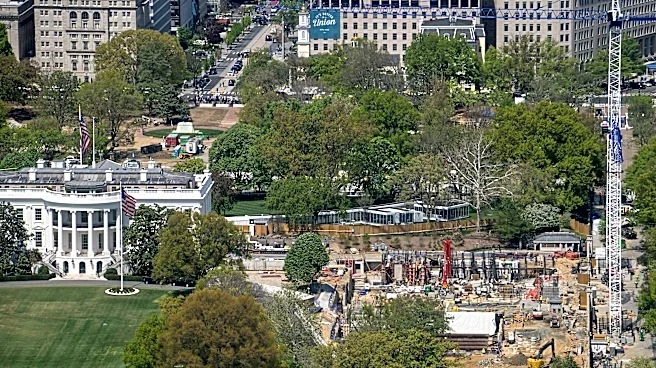
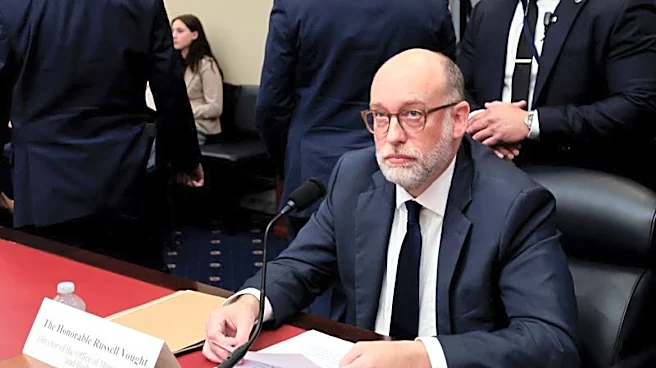
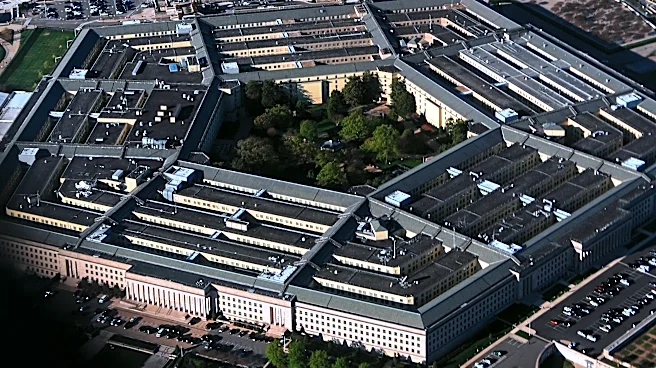
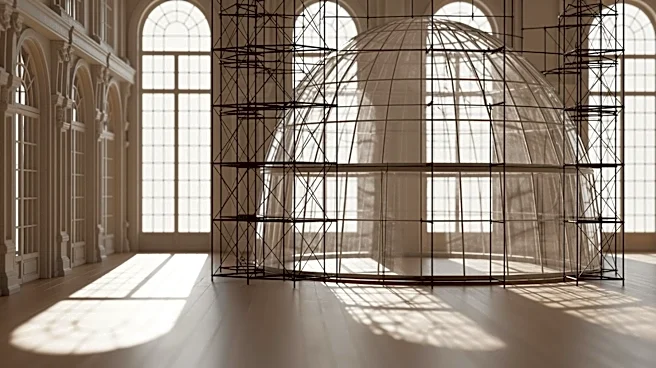
A federal judge has set new limits on the construction of President Trump's White House ballroom. Judge Richard Leon ruled that only the underground portion of the project, deemed necessary by the military, can proceed. The above-ground construction of the 90,000-square-foot
ballroom, intended for entertaining VIP guests, is halted pending congressional approval. The ruling follows a lawsuit by the National Trust for Historic Preservation, which argued that the project required legislative oversight. The Trump administration had argued that the ballroom's construction was essential for national security, citing plans for bulletproof glass and bomb shelters. However, the judge emphasized that national security does not justify bypassing legal procedures.
Why It's Important?
This development is significant as it addresses the balance between national security and legal compliance. The ruling may impact the administration's ability to host large-scale events, potentially affecting diplomatic relations and the president's public engagements. It also highlights the role of the judiciary in checking executive power, ensuring that even projects with security implications adhere to established legal frameworks. The case could influence future decisions on federal construction projects, particularly those involving historic sites.
What's Next?
The Trump administration is expected to appeal the ruling, seeking a Supreme Court review. The outcome of this legal battle could set a precedent for how national security considerations are balanced with legal requirements in federal projects. The National Trust for Historic Preservation and other advocacy groups will likely continue to push for compliance with preservation laws. The case may also prompt discussions in Congress about the oversight of executive projects, especially those involving significant alterations to historic federal properties.