



What's Happening?
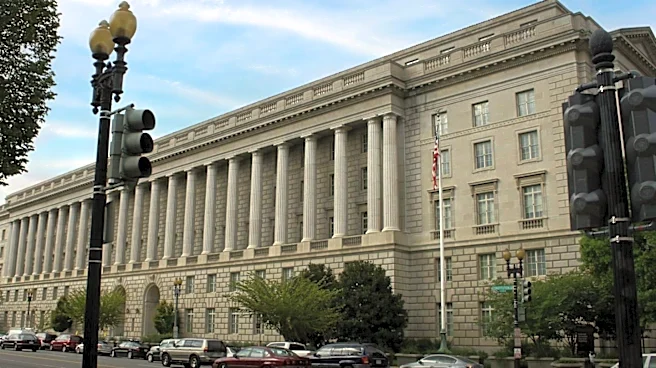
The U.S. Department of the Treasury and the Internal Revenue Service (IRS) are reportedly drafting a plan to target foundations and other nonprofit organizations that the Trump Administration disfavors. This plan involves a 'sweeping audit' of organizations accused
of operating with a 'substantial illegal purpose,' which could lead to the revocation of their tax-exempt status or the imposition of significant fines. Among the organizations reportedly targeted are Open Society Foundations, Southern Poverty Law Center, Council on American-Islamic Relations, Private Equity Stakeholder Group, and the Service Employees International Union (SEIU). In response, several members of Congress, including Senate Finance Committee Chair Wyden (D-OR) and U.S. Senator Warnock (D-GA), have sent letters to Treasury Secretary Bessent and IRS CEO Bisignano, requesting information about these plans and directing the agencies to preserve all relevant records. The National Council of Nonprofits has stated that using the IRS to target disfavored nonprofits is an egregious abuse of power, regardless of the administration.
Why It's Important?
This development is significant as it raises concerns about the politicization of federal agencies and the potential for the IRS to be used as a tool for political retribution. The ability to revoke tax-exempt status or impose fines could severely cripple the operations of targeted nonprofit organizations, impacting their ability to provide services, advocate for causes, and engage in public discourse. This could have a chilling effect on the nonprofit sector, potentially leading organizations to self-censor or avoid controversial issues to protect their tax status. The move also challenges the principle of an objective and impartial tax system, which is crucial for maintaining public trust in government institutions. If implemented, this plan could set a precedent for future administrations to use federal regulatory power against organizations based on political disagreements, undermining the independence and diversity of the nonprofit landscape in the U.S.
What's Next?
The immediate next steps involve the ongoing congressional inquiry into the reported plans by the Treasury and IRS. Senators Wyden and Warnock have requested information and preservation of records, indicating a legislative pushback against the proposed actions. The nonprofit community, represented by organizations like the National Council of Nonprofits, is expected to continue advocating against such measures, emphasizing the importance of an impartial tax system and the protection of nonprofit independence. Legal challenges could also arise if the administration proceeds with revoking tax-exempt statuses, as organizations may seek to defend their status in court. The outcome of these developments will likely depend on the political climate, public pressure, and potential legal interventions, which could either halt or significantly alter the proposed targeting of nonprofits.
Beyond the Headlines
Beyond the immediate political and legal ramifications, this situation highlights deeper concerns about the weaponization of government agencies and the erosion of democratic norms. The targeting of nonprofits based on their views or affiliations could stifle dissent and limit the capacity of civil society to hold power accountable. This could lead to a less vibrant and diverse public sphere, where organizations are hesitant to engage in activities that might draw the ire of the administration. The long-term implications could include a weakening of the checks and balances provided by independent advocacy groups and a shift towards a more centralized control over public discourse. It also raises ethical questions about the appropriate use of governmental power and the protection of fundamental freedoms, such as freedom of association and speech, within the context of tax regulations.