

What's Happening?
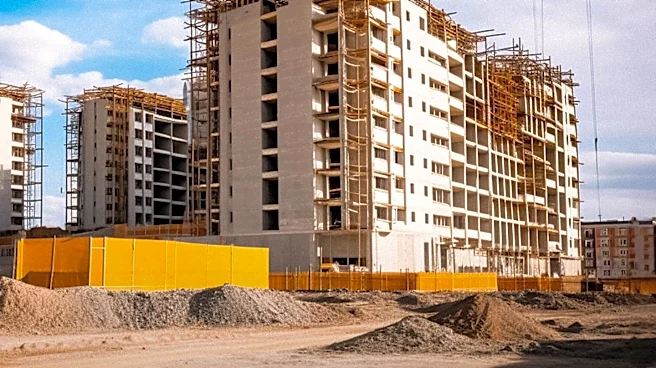
The U.S. housing market is experiencing a significant shift as renovation spending has surpassed new home construction for the first time since the Great Recession. Over the past decade, the country has built only 44 new homes per 1,000 people, a decrease
from previous decades. This underbuilding has resulted in an aging housing stock, with the average American home now 37 years old. Stringent land-use restrictions, particularly in high-demand metro areas, have contributed to the lack of new construction. As a result, Americans are spending more on home improvements, with renovation spending reaching $430 billion annually, a 36% increase over the past decade. This trend reflects a structural shift in the housing market, driven by the persistent housing shortage and rising home prices.
Why It's Important?
The shift towards renovation over new construction has significant implications for the U.S. housing market and economy. The aging housing stock and high renovation costs can limit mobility and exacerbate the housing shortage, making it difficult for new families to find affordable homes. This trend also highlights the impact of restrictive land-use policies, which hinder new construction and contribute to rising home prices. The increased focus on renovations may provide some relief by expanding the housing supply through upgrades and conversions, but it does not fully address the underlying issues of supply and demand. The growing renovation industry also reflects broader economic trends, such as the emphasis on energy efficiency and cost-of-living concerns.