



What's Happening?
Rep. Jamie Raskin's 'Democracy Summer' program, which began in 2006 as a local initiative to engage young people in his first political campaign, has significantly expanded its reach. The program, which started with 20 to 25 student volunteers, has now
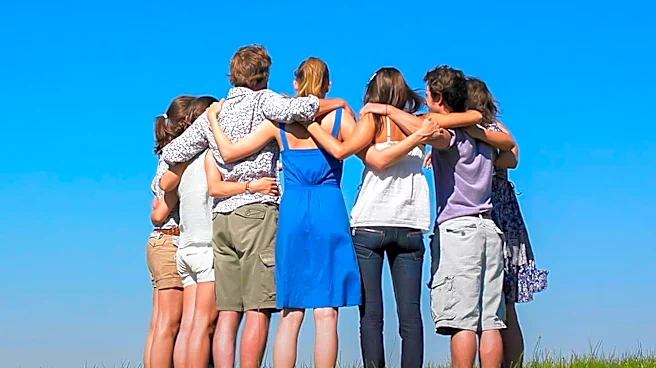
grown to include over 2,000 high school and college students across 44 states. The latest iteration of Democracy Summer recently concluded, offering seminars featuring local elected officials and political activists. The program's initial goal was to interest Raskin's children, nieces, and nephews in volunteering for his campaign in Maryland's District 20, but it has since evolved into a nationwide effort to educate and involve young people in democratic processes.
Why It's Important?
The expansion of Rep. Raskin's Democracy Summer program is important because it signifies a growing effort to engage young Americans in civic and political life at a critical time for U.S. democracy. By providing high school and college students with direct exposure to elected officials and political activists, the program aims to foster a deeper understanding of democratic processes and encourage future civic participation. This initiative could help counter political apathy among younger generations and cultivate a new cohort of informed and engaged citizens. The program's nationwide reach also suggests a broader recognition of the need for grassroots efforts to strengthen democratic institutions and promote active citizenship across diverse communities. Such programs are crucial for ensuring the long-term health and vitality of democratic governance by preparing young people to become active participants in shaping their communities and the nation.
What's Next?
Given its significant expansion, the Democracy Summer program is likely to continue growing and potentially influence youth engagement in future elections and political movements. The program's success could inspire similar initiatives by other lawmakers or organizations, further broadening the scope of youth civic education. As the program matures, there may be efforts to formalize its curriculum, expand its partnerships, or track the long-term civic engagement of its alumni. The increased participation of young people in political processes, fostered by programs like Democracy Summer, could lead to shifts in voter demographics, policy priorities, and the overall political landscape. The program's focus on education and activism suggests a future where younger generations are more actively involved in advocating for issues they care about and holding their elected representatives accountable.
Beyond the Headlines
Beyond its immediate impact on civic engagement, the Democracy Summer program touches upon deeper societal trends regarding political education and youth empowerment. In an era of increasing political polarization and misinformation, programs that provide structured learning about democratic processes and direct interaction with political figures can be invaluable. It addresses the challenge of how to instill democratic values and critical thinking skills in young people, preparing them to navigate complex political environments. The program also highlights the evolving role of elected officials in fostering civic participation, moving beyond traditional legislative duties to actively mentor and educate future generations. This initiative could contribute to a broader cultural shift towards valuing civic responsibility and active participation as essential components of a healthy democracy, potentially influencing educational curricula and community-based programs aimed at youth development.