








What's Happening?
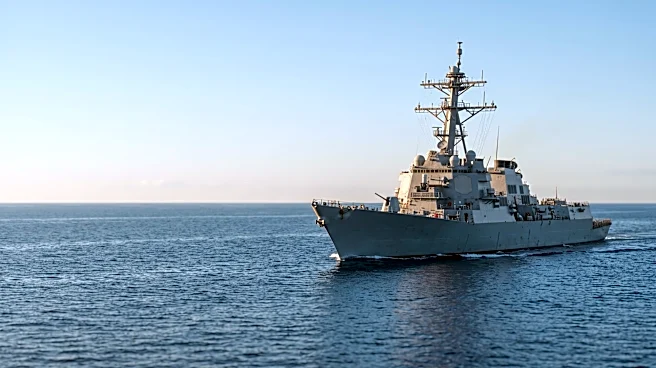
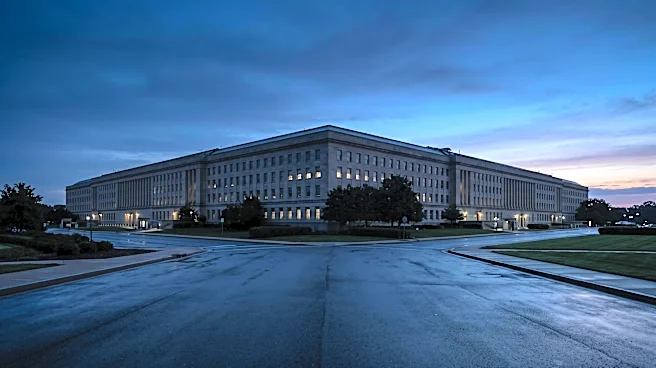
Representatives Wesley Bell, Maggie Goodlander, and Joe Courtney, alongside 31 other lawmakers, have formally requested detailed information from the Department of Defense regarding the extended deployment of the USS Abraham Lincoln. Their letter highlights
concerns about the conditions aboard the aircraft carrier, which has been at sea for over eight months and went 208 days without a port call. The lawmakers cited reports of poor living conditions, food concerns, and significant strain on the mental health of the sailors. They are seeking clarification on the support systems, safety measures, and communication plans in place for both the sailors and their families, as well as how lessons learned from previous deployments are being applied to the current situation. This inquiry underscores a growing concern among congressional members about the welfare of military personnel during prolonged deployments.
Why It's Important?
This congressional inquiry is important as it directly addresses the well-being of U.S. military personnel and the operational readiness of a critical naval asset. Extended deployments without adequate support can lead to decreased morale, increased stress, and potential long-term health issues for service members, impacting retention rates and overall force effectiveness. The concerns raised about living conditions and food quality could also affect the Navy's ability to maintain a healthy and capable crew, which is vital for national security operations. Furthermore, the involvement of multiple lawmakers from different districts suggests a broader recognition of these issues, potentially leading to policy changes or increased oversight regarding military deployment protocols and support services. Ensuring the welfare of service members is crucial for maintaining a strong and effective defense force.
What's Next?
The Department of Defense is expected to respond to the lawmakers' request, providing the detailed information and explanations sought regarding the USS Abraham Lincoln's deployment. Depending on the response, the lawmakers may pursue further actions, such as congressional hearings, legislative proposals to improve military living conditions and support, or increased budgetary allocations for service member welfare programs. There could also be internal investigations within the Navy to address the reported issues. The outcome of this inquiry could influence future deployment strategies and the resources allocated to support military families. Additionally, this event may prompt a broader discussion on the balance between operational demands and the personal costs borne by military personnel and their families.
Beyond the Headlines
Beyond the immediate concerns for the USS Abraham Lincoln, this situation highlights the broader challenges faced by military families and the potential for long-term psychological impacts on service members due to prolonged and arduous deployments. The reports of mental health strain underscore the need for comprehensive mental health support systems that are accessible and destigmatized within the military. This event also brings to light the transparency and accountability of military operations, particularly when it comes to the welfare of personnel. The collective action of lawmakers suggests a growing awareness of these issues, which could lead to a cultural shift within the military towards prioritizing the holistic well-being of its members, not just their operational readiness. It also raises questions about the sustainability of current deployment tempos and their impact on military families and recruitment efforts.