



What's Happening?
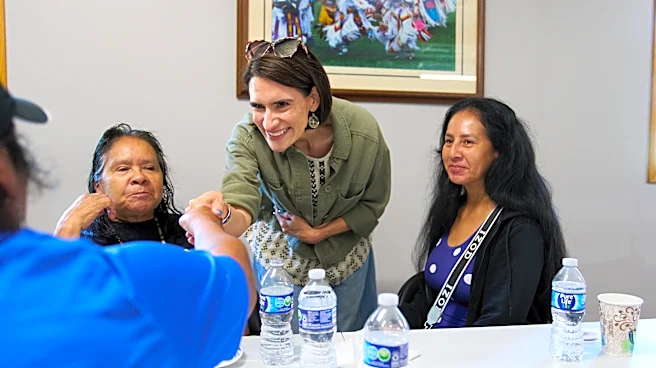
Zach Lahn, the Republican nominee for governor of Iowa, is actively campaigning across the state, recently holding an event in Tipton. Lahn, who won the Republican primary in June by narrowly defeating U.S. Representative Randy Feenstra, has been endorsed
by President Donald Trump. His campaign is centered on addressing issues related to agriculture, the economy, and opportunities for Iowa families. Lahn has also received backing from the Make America Healthy Again movement, emphasizing his stance against large agricultural and pharmaceutical companies. As the general election approaches, Lahn is set to face Democratic State Auditor Rob Sand, the only Democrat currently holding statewide office in Iowa. The two campaigns have been negotiating the format and number of debates, with Lahn advocating for Lincoln-Douglas style debates, while Sand's team has agreed to televised debates. The outcome of this election will determine the successor to Governor Kim Reynolds, who is not seeking re-election.
Why It's Important?
The gubernatorial race in Iowa is significant as it could influence the political landscape of the state, which has been a battleground in recent elections. Lahn's campaign, with its focus on challenging large corporations, resonates with voters concerned about corporate influence in agriculture and healthcare. His endorsement by President Trump highlights the ongoing influence of Trump in Republican politics, despite recent setbacks in other primary races. The election also holds importance for the Democratic Party, as Rob Sand aims to maintain his position as the only statewide elected Democrat in Iowa. The outcome could impact policy directions in agriculture and healthcare, sectors critical to Iowa's economy. Additionally, the debate over debate formats reflects broader discussions on political discourse and voter engagement.
What's Next?
As the November general election approaches, both Lahn and Sand will continue to campaign across Iowa, seeking to connect with voters and solidify their platforms. The debate negotiations will likely continue, with both candidates aiming to maximize their exposure and articulate their visions for Iowa's future. The election results will not only determine the next governor but also signal the political direction Iowa voters wish to take, potentially influencing future state and national elections. Stakeholders in agriculture and healthcare will be closely monitoring the race, given the candidates' differing approaches to these key issues.