
What's Happening?
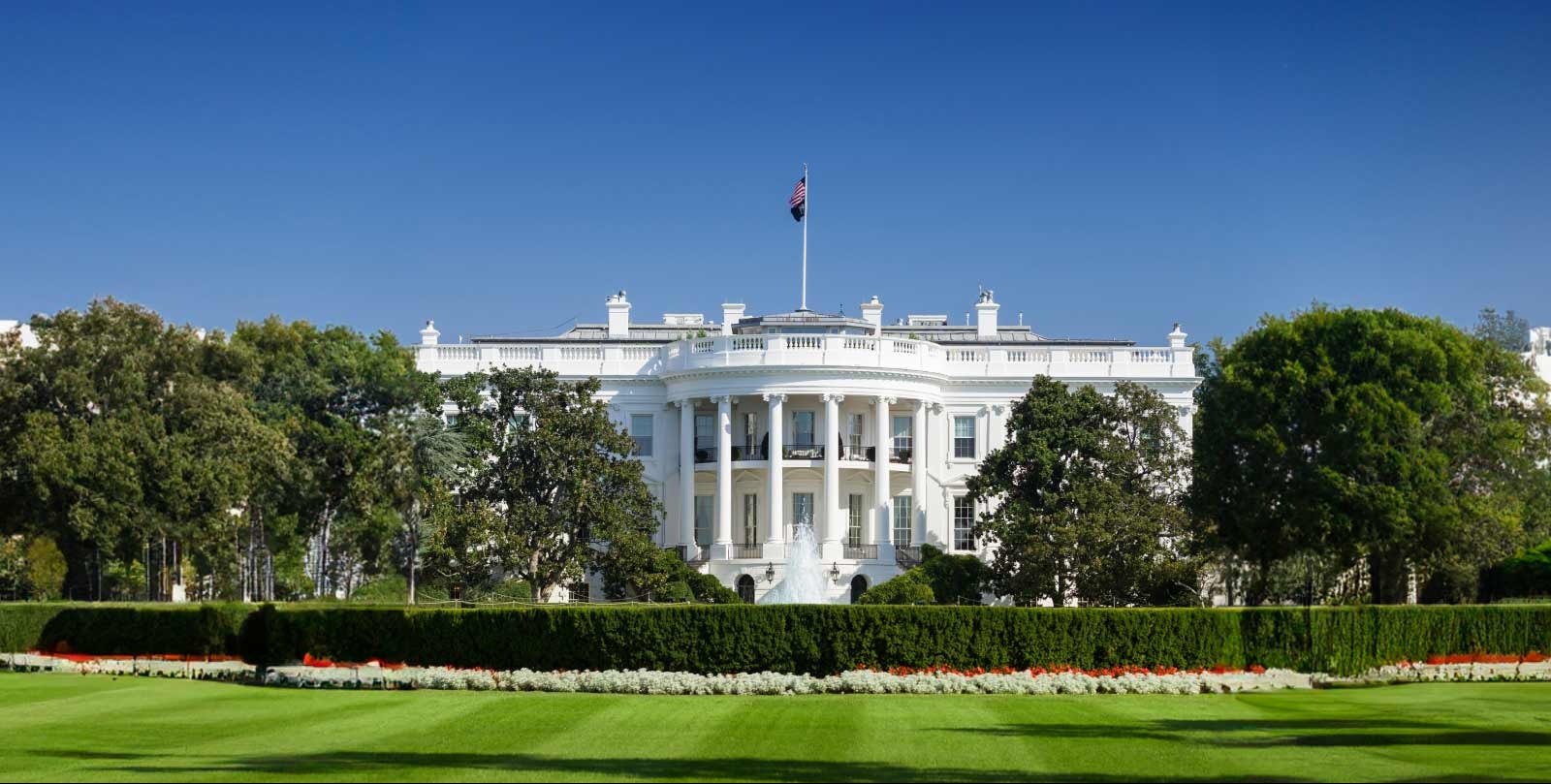
President Donald Trump has expressed dissatisfaction with the Federal Reserve's current interest rate policies, suggesting that his nominee for the Fed chair, Kevin Warsh, aligns with his preference for lower rates. In an interview, Trump stated that Warsh would
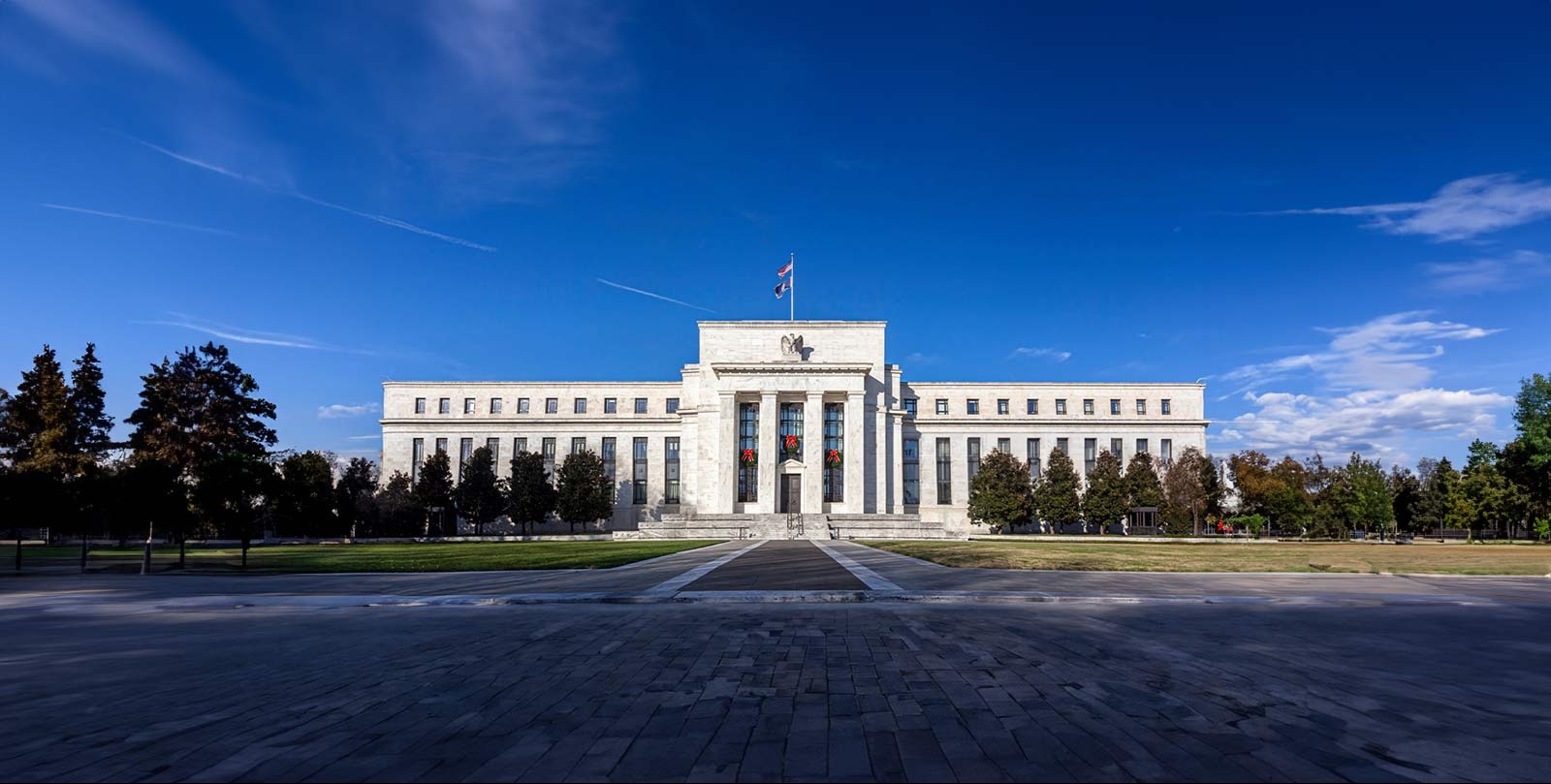
not have been considered for the position if he had shown an inclination to raise interest rates. Trump emphasized his belief in his understanding of the economy, suggesting that the Fed should follow his lead. The Federal Reserve, under Jerome Powell, has maintained steady interest rates after a series of cuts, citing inflation and labor market conditions as guiding factors. Trump has been critical of Powell for not implementing more aggressive rate cuts and has accused the White House of pressuring the Fed through investigations.
Why It's Important?
The President's comments highlight ongoing tensions between the executive branch and the Federal Reserve, an institution traditionally seen as independent. Trump's push for lower interest rates reflects his broader economic strategy to stimulate growth, which he believes is crucial for maintaining the U.S.'s economic strength. The nomination of Kevin Warsh, who is perceived to be more aligned with Trump's economic views, could signal a shift in the Fed's approach to monetary policy. This development is significant for financial markets, as interest rate decisions impact borrowing costs, consumer spending, and overall economic activity. Stakeholders in the economy, including businesses and investors, are closely watching these developments for potential shifts in economic policy.
What's Next?
The nomination of Kevin Warsh will require Senate approval, and it is anticipated that the process may face scrutiny, especially given the ongoing investigation into the Federal Reserve's office renovations. The outcome of this nomination could influence future monetary policy decisions, potentially leading to lower interest rates if Warsh is confirmed. Additionally, the Federal Reserve's upcoming meetings and statements will be closely monitored for any indications of policy changes. The broader economic implications of these developments will depend on how markets and policymakers respond to the evolving situation.