





What's Happening?
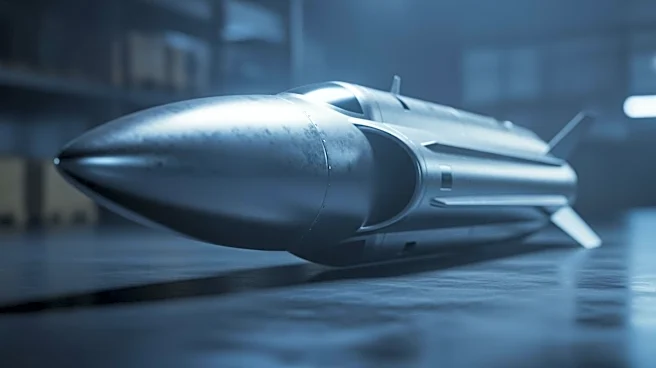
The U.S. military has conducted another strike on a boat in the eastern Pacific Ocean, accused of smuggling drugs, resulting in the deaths of three men. This marks the third such attack in a week, bringing the total death toll from these operations to over
200 since they began in early September. The U.S. Southern Command stated that the vessel was involved in narco-trafficking operations and was operated by a designated terrorist organization, although no evidence was provided to substantiate these claims. The Trump administration has declared an armed conflict with Latin American drug cartels, attributing them to the drug flow into the U.S. However, the lack of definitive evidence has sparked debates about the legality of these operations, with human rights organizations labeling them as unlawful extrajudicial killings.
Why It's Important?
The strikes highlight significant legal and ethical concerns regarding U.S. military operations against alleged drug trafficking vessels. The lack of evidence provided by the administration raises questions about the justification and legality of these actions under international law. Human rights organizations, including Human Rights Watch and Amnesty International, have criticized the operations as potential violations of human rights. The situation underscores the tension between national security measures and adherence to legal standards, potentially impacting U.S. relations with Latin American countries and international human rights bodies. The operations also reflect broader policy challenges in addressing drug trafficking while maintaining legal and ethical accountability.
What's Next?
The ongoing military operations are likely to continue, given the administration's stance on combating drug cartels. However, increased scrutiny from human rights organizations and legal experts may pressure the U.S. government to provide more transparency and evidence to justify these actions. Potential diplomatic repercussions could arise if Latin American countries perceive these strikes as violations of sovereignty. The international community may call for investigations or condemnations if evidence of unlawful actions is substantiated. The U.S. may need to balance its drug enforcement strategies with international legal obligations to avoid further controversy.