

What's Happening?
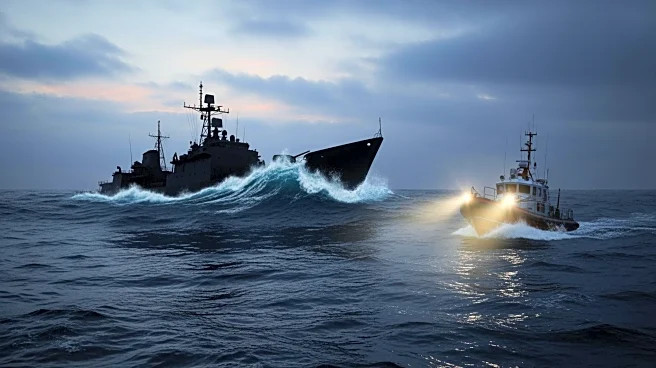
U.S. Defense Secretary Pete Hegseth has faced condemnation for the sinking of an Iranian military ship, which was reportedly defenseless at the time of the attack by a U.S. submarine in international waters. The incident occurred after the Iranian ship participated
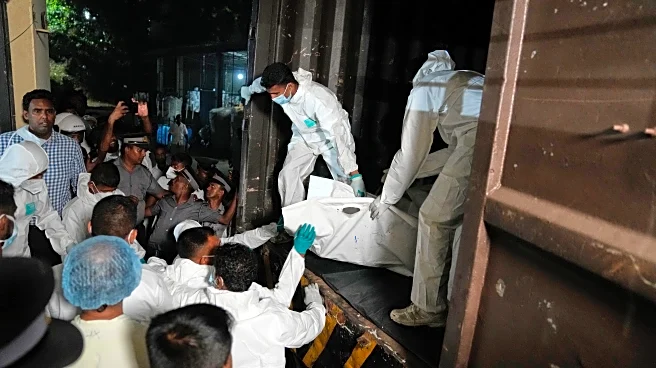
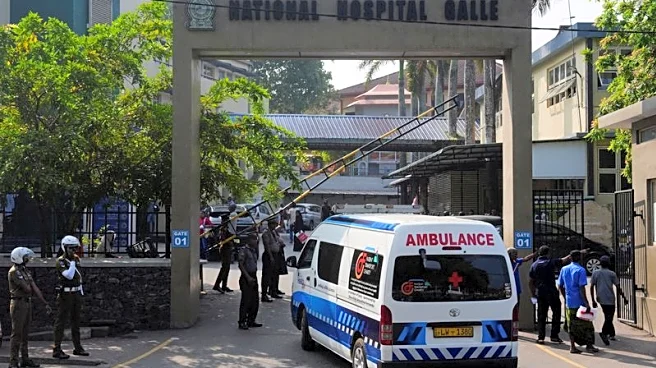
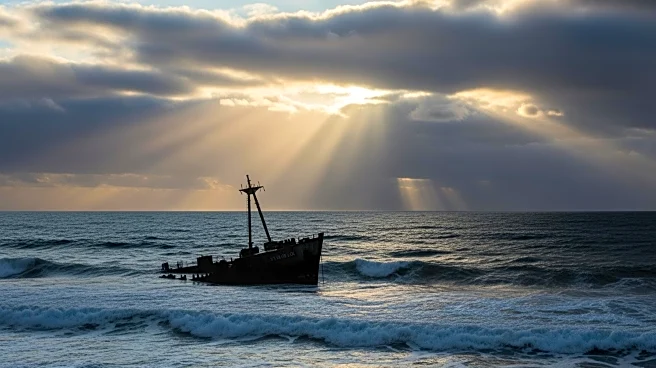
in a multinational naval training exercise hosted by India. Criticism has emerged from various quarters, including Indian politicians and international observers, who argue that the attack violated international law and constituted a war crime. The U.S. has been accused of failing to rescue the shipwrecked crew, leaving the task to the Sri Lankan Navy.
Why It's Important?
The sinking of the Iranian ship by the U.S. has significant implications for international relations and military ethics. The incident has strained U.S.-India relations, as Indian leaders criticize the lack of response from their government. It also raises questions about the U.S.'s adherence to international law and the rules of engagement in military conflicts. The event could impact the U.S.'s global standing and its relationships with allies and adversaries, as it navigates the legal and ethical ramifications of its military actions.
What's Next?
The international community may call for investigations into the incident to determine whether the U.S. violated international law. This could lead to diplomatic tensions and potential repercussions for U.S. military operations in the region. The U.S. may need to address the criticisms and reassess its rules of engagement to prevent similar incidents in the future. Additionally, the incident could influence global military policies and the conduct of naval exercises, as nations seek to ensure compliance with international norms.
Beyond the Headlines
The attack on the Iranian ship highlights broader issues of military accountability and the ethical use of force. The incident underscores the need for clear guidelines and oversight in military operations to prevent violations of international law. It also raises questions about the role of media and public opinion in shaping perceptions of military actions. As the U.S. and other nations grapple with these challenges, there may be increased calls for transparency and accountability in military decision-making processes.