
What's Happening?
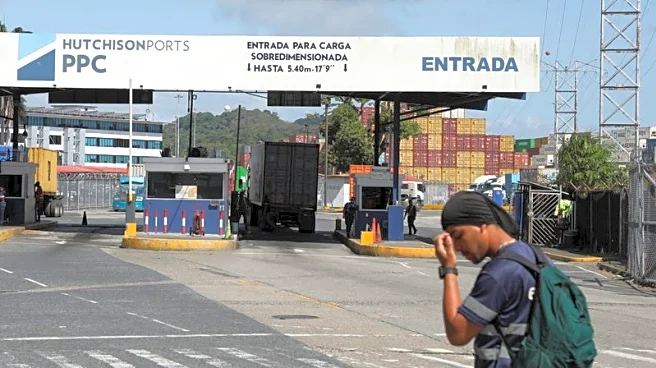
Hong Kong tycoon Li Ka-shing and his conglomerate CK Hutchison are embroiled in a geopolitical conflict between the US and China following their decision to sell strategic ports in Panama. The $19 billion
sale, announced last year, has placed the company at the center of international scrutiny. Recently, Panama's Supreme Court annulled CK Hutchison's concession, declaring the laws that allowed the company to operate two of the five canal ports unconstitutional. This decision threatens the livelihoods of thousands and has been criticized by CK Hutchison's subsidiary, Panama Ports Company, as lacking legal basis. Li Ka-shing, known for his business acumen and dubbed 'Superman,' has a vast business empire spanning multiple sectors and countries, with significant investments in China and abroad.
Why It's Important?
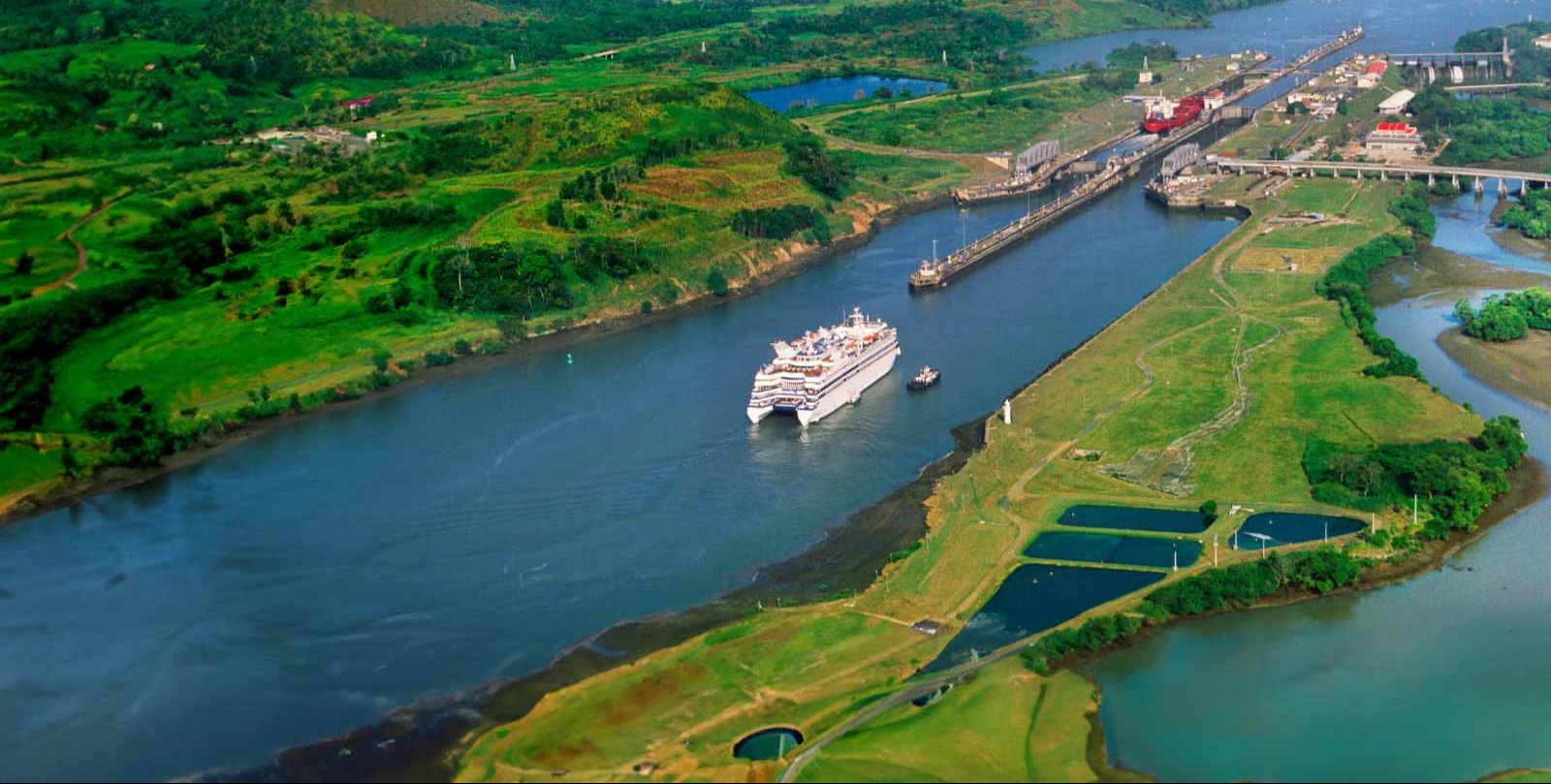
The annulment of CK Hutchison's port concessions in Panama highlights the strategic importance of such assets in global trade and geopolitics. The decision could impact international shipping routes and trade dynamics, particularly between the US and China. Li Ka-shing's move to sell these assets reflects a shift in his business strategy, possibly due to increasing pressure from Beijing and changing political climates. The outcome of this legal battle could influence future foreign investments in Panama and other strategic locations, affecting global supply chains and economic relations. Additionally, the case underscores the growing tension between economic interests and national security concerns in international business dealings.
What's Next?
The legal and political ramifications of the Panama Supreme Court's decision are likely to unfold over the coming months. CK Hutchison may pursue legal avenues to contest the annulment, while negotiations for the sale of the ports could face further delays. The situation may prompt reactions from major stakeholders, including the Chinese and Panamanian governments, as well as international investors. The outcome could set a precedent for how similar geopolitical and legal challenges are handled in the future, potentially influencing global trade policies and investment strategies.