





What's Happening?
The Transportation Security Administration (TSA) and Immigration and Customs Enforcement (ICE) have intensified their collaboration, leading to a rise in immigration arrests at U.S. airports. This partnership involves TSA providing ICE with information
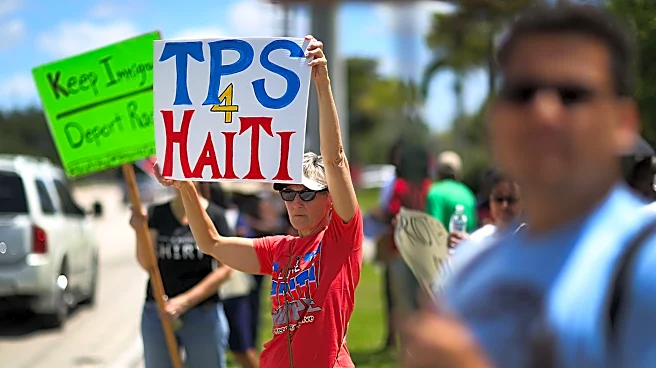
on noncitizen travelers, including those without criminal records but suspected of civil immigration violations. This marks a significant shift from previous practices where TSA and ICE focused on criminal offenses. The collaboration aims to increase arrest levels, aligning with the Trump administration's goal of 2,000 daily arrests. This policy change has made airports a focal point for immigration enforcement, affecting individuals with pending immigration applications or work permits.
Why It's Important?
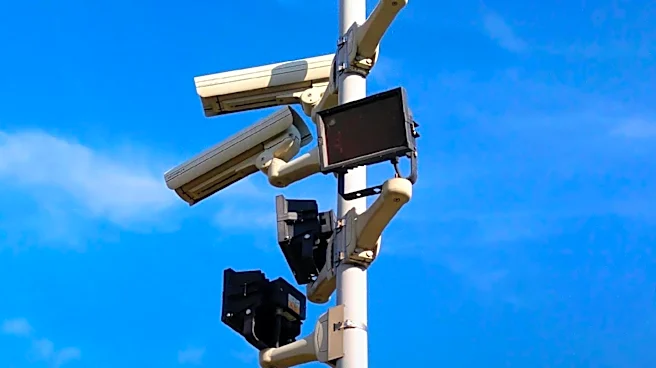
The increased collaboration between TSA and ICE represents a major policy shift in U.S. immigration enforcement, reflecting the Trump administration's stringent approach to immigration. This development could have significant implications for noncitizen travelers, who may face heightened scrutiny and risk of detention at airports. The policy change underscores the administration's focus on deportation and may impact the travel behavior of individuals with uncertain immigration status. Additionally, the collaboration raises questions about privacy and civil liberties, as TSA's role expands beyond security to include immigration enforcement.
What's Next?
As the collaboration between TSA and ICE continues, there may be further policy developments and legal challenges. Advocacy groups and immigration lawyers are likely to scrutinize the impact of these practices on civil rights and privacy. The increased enforcement at airports could lead to calls for policy reviews and potential legislative action to address concerns about due process and the rights of noncitizen travelers. The outcome of these discussions could influence future immigration enforcement strategies and the role of federal agencies in immigration matters.