



What's Happening?
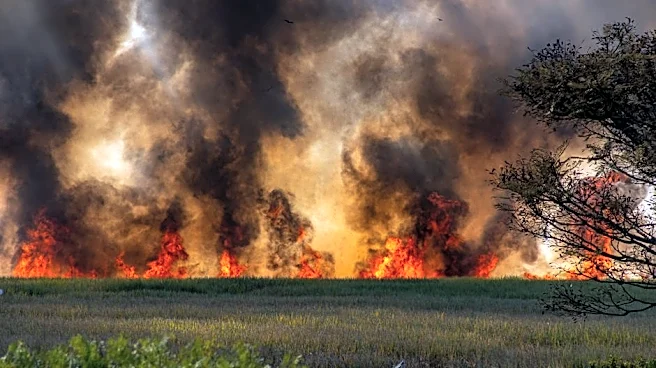
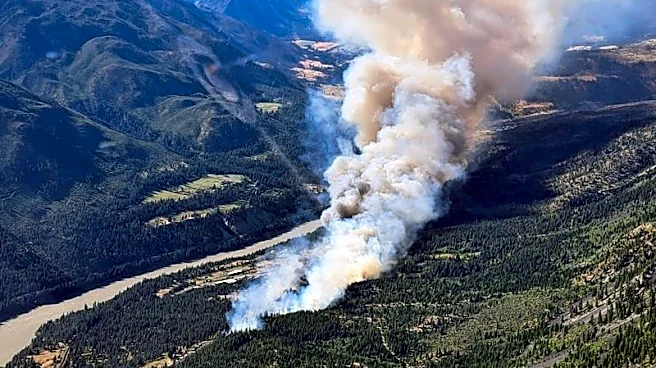
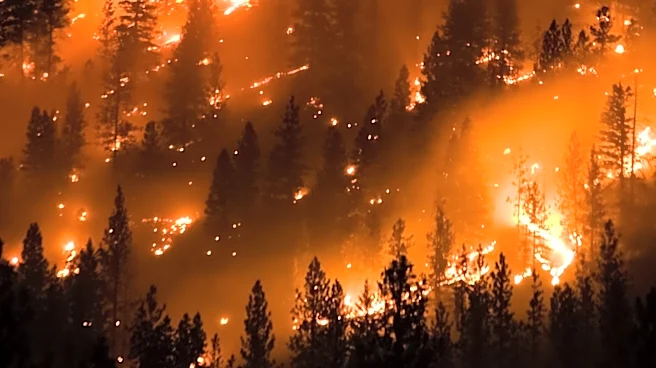
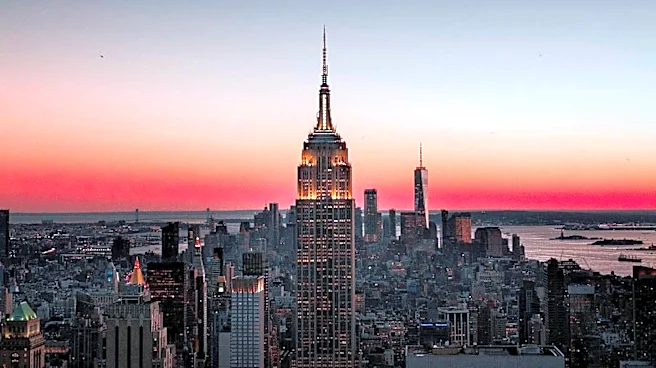
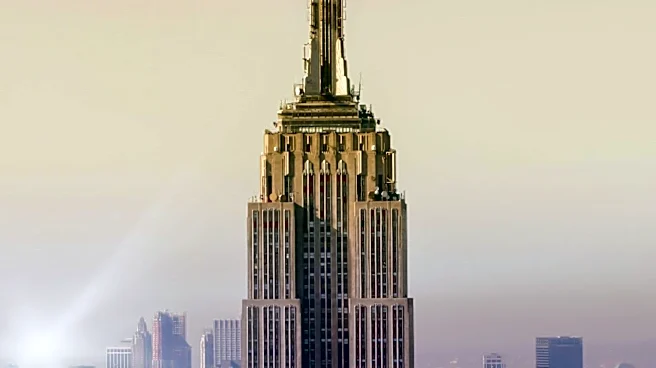
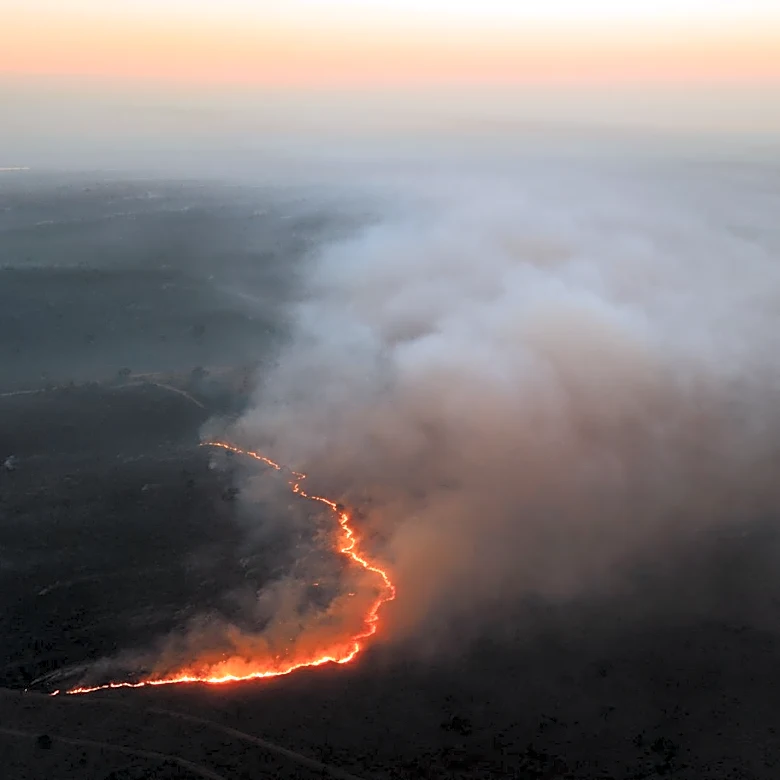
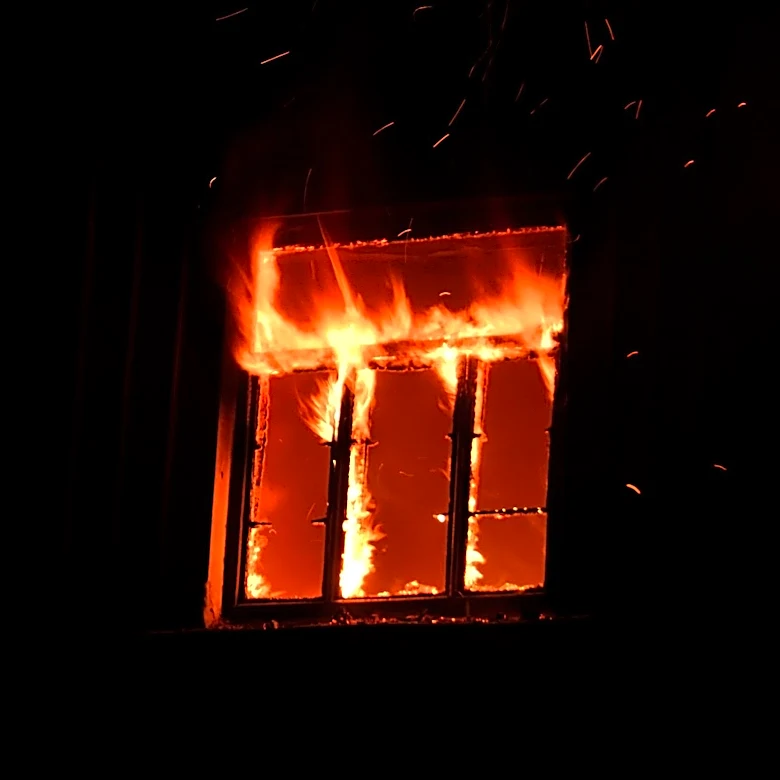
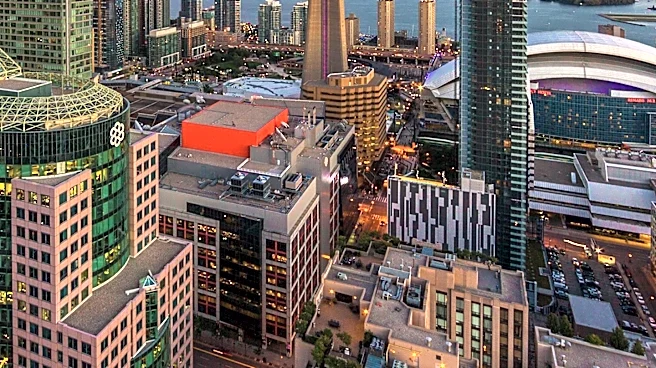
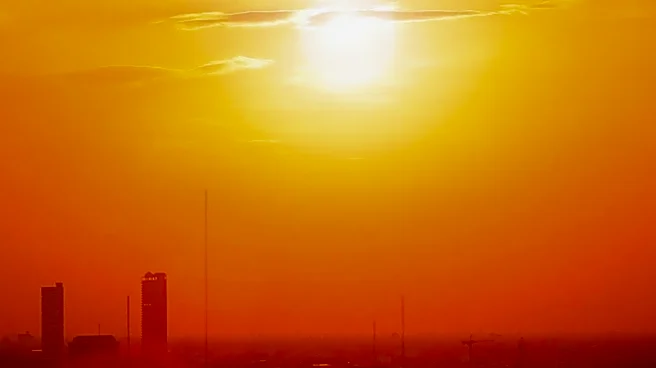
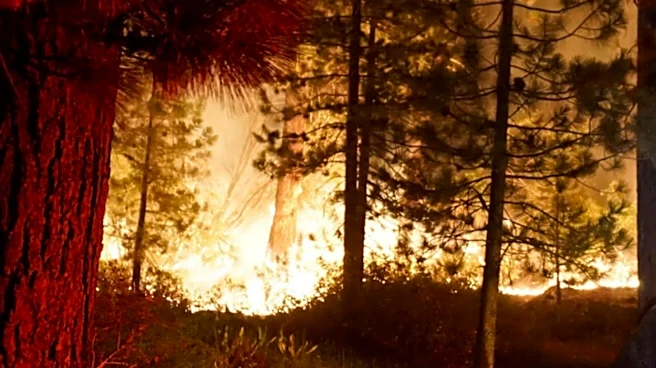
Smoke from Canadian wildfires has descended on parts of the United States, including New York City, creating a cloudy orange haze over the skyline. More than 830 wildfires are burning in Canada, with smoke spreading into the U.S., affecting air quality
in the Northeast and upper Midwest. An Air Quality Health Advisory has been issued for New York State, with officials urging residents to avoid unnecessary outdoor activities. The smoke coincides with an extreme heat wave, with temperatures in the Northeast expected to reach the high 90s to triple digits.
Why It's Important?
The combination of wildfire smoke and extreme heat poses significant health risks, particularly for vulnerable populations such as the elderly, children, and those with pre-existing health conditions. The situation highlights the interconnectedness of climate change-related events, as rising temperatures and increased wildfire activity exacerbate each other. The economic impact is also notable, as poor air quality and extreme heat can disrupt daily life, affect tourism, and increase healthcare costs. The event underscores the need for comprehensive climate policies and emergency preparedness measures.
What's Next?
Rain is expected to help disperse some of the smoke over the upper Midwest and Northeast in the coming days. However, air quality alerts remain in place, and residents are advised to stay informed and take precautions. The situation may prompt further discussions on climate change policies and the need for cross-border cooperation in addressing environmental challenges. Local governments may also consider investing in more robust air quality monitoring systems and public health initiatives to mitigate the impact of such events in the future.