

What's Happening?
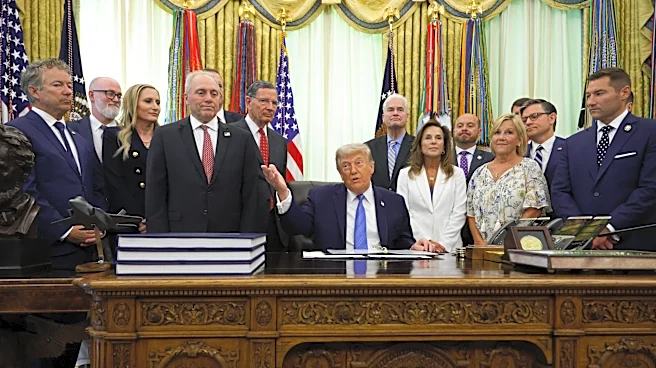
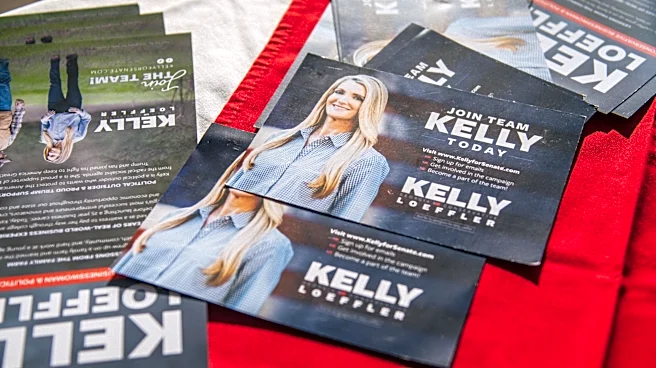
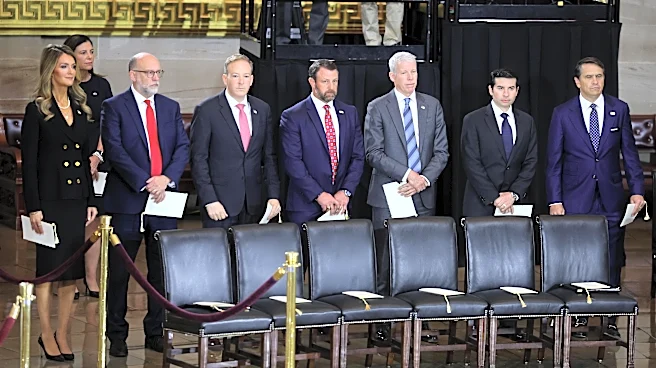
Small Business Administrator Kelly Loeffler, alongside U.S. Department of Agriculture Secretary Brooke L. Rollins and U.S. Secretary of Veterans Affairs Douglas A. Collins, participated in an event at USDA headquarters to reaffirm commitment to veterans.
Loeffler emphasized the Trump Administration's focus on expanding pathways for veterans in entrepreneurship and federal contracting. She expressed gratitude to Secretary Rollins for her dedication to rural America and veterans, highlighting the connection between working the land and defending it. Loeffler, whose father is a veteran and farmer, underscored her personal connection to the initiative. The event also celebrated USDA's '100 Hires in 100 Days' effort, which successfully recruited over 240 veterans and military spouses into mission-critical roles, exceeding its original goal. Additionally, Secretary Rollins announced Richard Lopez as USDA’s new Military Veterans Agricultural Liaison (MVAL), tasked with advancing veteran advocacy and facilitating their entry into agricultural enterprises through access to loans, grants, and business development resources. Lopez, an eight-year U.S. Army veteran, previously served as Regional Beginning Farmer/Rancher Coordinator at the USDA Farm Service Agency.
Why It's Important?
This initiative is important because it directly addresses the economic integration and support for U.S. veterans, a demographic that often faces unique challenges transitioning to civilian life. By expanding pathways in entrepreneurship and federal contracting, the program aims to leverage veterans' skills and dedication, contributing to the national economy. The focus on federal contracting provides veterans with opportunities to secure government contracts, fostering their businesses and creating jobs. The appointment of a Military Veterans Agricultural Liaison (MVAL) specifically targets the agricultural sector, offering tailored support for veterans interested in farming and related enterprises. This not only helps individual veterans but also strengthens rural economies and ensures the continuity of the nation's food supply. Furthermore, the USDA's successful '100 Hires in 100 Days' effort demonstrates a tangible commitment to veteran employment within federal agencies, setting a precedent for other departments and highlighting the value of military experience in public service. These efforts collectively aim to honor veterans' service by providing them with meaningful economic opportunities and support systems.
What's Next?
The USDA will continue to offer multiple pathways for military-affiliated talent, focusing on education, entrepreneurship, and employment opportunities in agriculture. Veterans interested in these programs can find more information on the USDA website. The newly appointed Military Veterans Agricultural Liaison, Richard Lopez, will be instrumental in connecting veterans with resources such as loans, grants, and business development plans across USDA and the broader agricultural community. The ongoing partnership between the USDA and the U.S. Department of War's SkillBridge Program will also continue to recruit transitioning service members for civilian work experience in fields like cybersecurity, data and super intelligence, and contracting. Additionally, efforts to promote military spouse employment through the DoW SpouseWorks Program will persist. These initiatives indicate a sustained commitment to integrating veterans and their families into the workforce and supporting their economic well-being.
Beyond the Headlines
The emphasis on veteran integration into federal contracting and agricultural enterprises reflects a broader societal recognition of the need to support those who have served. Beyond immediate economic benefits, these programs can foster a sense of purpose and community among veterans, addressing potential issues like unemployment and social isolation. The focus on agriculture, in particular, taps into a sector that can offer stability and a connection to the land, which may appeal to veterans seeking a different lifestyle post-service. Ethically, these initiatives underscore a national responsibility to provide comprehensive support for veterans beyond their military service. Culturally, they reinforce the value placed on military service and the importance of a smooth transition back into civilian life, potentially inspiring future generations to consider both military and public service careers. The long-term success of these programs could lead to a more robust and integrated veteran workforce, contributing to national resilience and economic diversity.