


What's Happening?
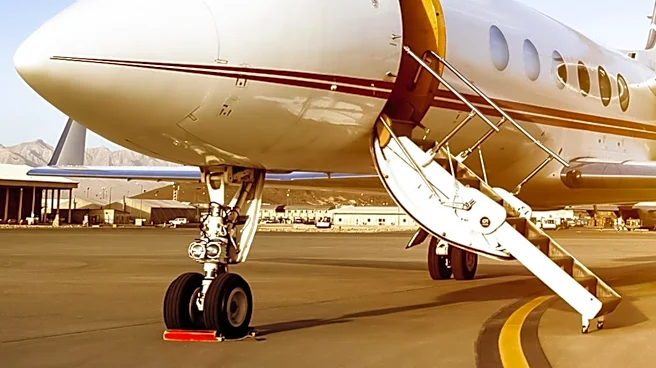
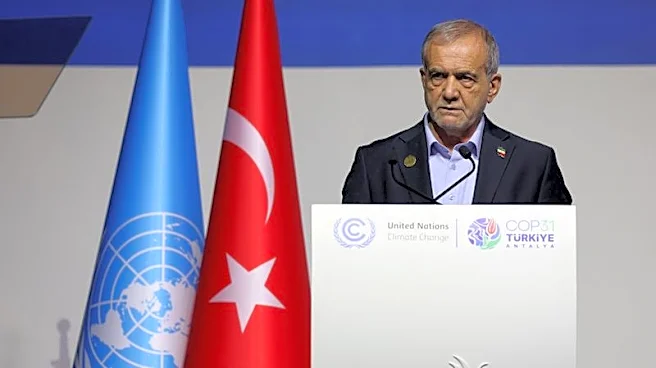
Oxfam International has reported that at least 94 private jet flights landed at Antalya Airport during the UN Climate Summit (COP31) in Turkey. These flights, recorded between November 7 and November 13, 2026, generated an estimated 777 metric tons of
carbon dioxide emissions. This figure is nearly 22 times the number of private jet arrivals at Antalya during the same period last year. Oxfam's analysis, based on data from PolluterJet, an aircraft-tracking project, estimates that the combined emissions from these flights are equivalent to flying around the world more than three times. The organization noted that not all passengers were necessarily attending the conference. Oxfam also highlighted that the United States accounted for 68% of private jet departures worldwide in 2025, with an average private jet flight producing as much carbon pollution as an average person generates in an entire year.
Why It's Important?
This report by Oxfam International underscores a significant contradiction at the heart of global climate negotiations: the high carbon footprint of attendees, particularly those using private jets, at a summit dedicated to reducing emissions. The disparity between the stated goals of COP31 and the observed travel patterns of some participants raises questions about the commitment to climate action among certain influential individuals and groups. The substantial emissions from private jet travel contribute to global warming and highlight the unequal distribution of environmental impact. This situation could undermine public trust in climate initiatives and fuel accusations of hypocrisy, potentially hindering efforts to secure more ambitious climate policies and international cooperation. The findings also bring attention to the broader issue of luxury consumption's environmental cost and the need for more equitable and sustainable practices across all sectors.
What's Next?
The findings from Oxfam are likely to intensify calls for stronger regulations and potential taxation on high-emission luxury travel, such as private jet flights. U.S. Sen. Sheldon Whitehouse, attending the conference, has already advocated for enhanced disclosure requirements for participants, including details on organizations and their financial support. This pressure could lead to discussions within international bodies and national governments about implementing levies on private jet use, with Oxfam citing research suggesting such taxes could generate around $45 billion annually. The ongoing COP31 summit will continue to address climate financing, emissions reductions, and strategies to transition away from fossil fuels, and the controversy surrounding private jet emissions may influence the tone and outcomes of these negotiations. Stakeholders, including environmental groups and policymakers, are expected to push for greater accountability and more stringent measures to align actions with climate goals.
Beyond the Headlines
The Oxfam report extends beyond mere statistics, touching upon deeper ethical and social justice implications. The stark contrast between the environmental impact of the ultra-wealthy and the devastating consequences of climate change on vulnerable populations, as highlighted by Oxfam International Executive Director Amitabh Behar, brings into focus the issue of climate inequality. While families mourn loved ones killed by floods and endure extreme heat, the continued use of private jets by some attendees at a climate summit symbolizes a disconnect between those most affected by climate change and those with the power to influence policy. This situation could exacerbate social divisions and fuel public resentment, potentially leading to increased activism and demands for systemic change in how climate policy is formulated and implemented, emphasizing equity and shared responsibility.