



What's Happening?
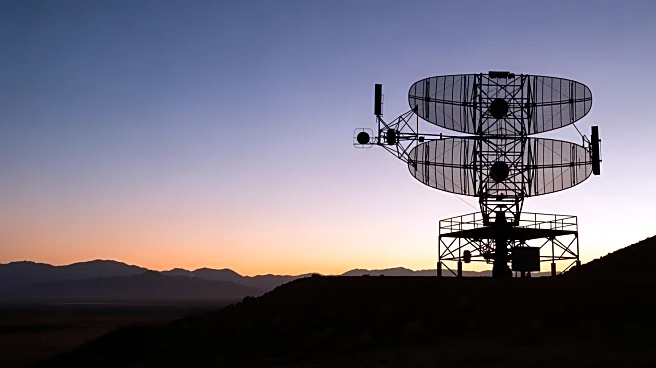
The U.S. State Department has approved a potential sale of Ku Band Multi-Function Radio Frequency System Radars and related equipment to Jordan, valued at approximately $280 million. The principal contractor for this sale is RTX Missile Defense Technologies.
This development coincides with a significant increase in U.S. military presence at a Jordanian airbase, where satellite imagery and flight tracking data have revealed the deployment of over 60 fighter jets, a number three times higher than usual. Additionally, at least 68 cargo planes have landed at the Muwaffaq Salti Air Base since the previous Sunday, accompanied by several U.S. drones and helicopters. This military buildup follows the complete withdrawal of U.S. forces from the al-Tanf military base in eastern Syria, with troops and equipment being relocated to Jordan over a 15-day period.
Why It's Important?
The approval of this radar sale and the increased U.S. military presence in Jordan underscore the strategic importance of the region for U.S. defense interests. The relocation of forces from Syria to Jordan may reflect a shift in U.S. military strategy in the Middle East, potentially aimed at strengthening alliances and enhancing regional security. This move could also be seen as a response to regional tensions and the need to support allies like Jordan in maintaining stability. The sale of advanced radar systems is likely to enhance Jordan's defense capabilities, contributing to its national security and the broader security architecture of the region. This development may also have implications for U.S. defense contractors, particularly RTX Missile Defense Technologies, which stands to benefit from the contract.
What's Next?
The increased military presence in Jordan and the radar sale may lead to further diplomatic and military engagements between the U.S. and Jordan. The strategic positioning of U.S. forces in Jordan could prompt reactions from regional actors, including Iran, which has already expressed concerns through statements by officials. The U.S. may continue to monitor the situation closely, adjusting its military and diplomatic strategies as necessary to address any emerging threats or opportunities. Additionally, the successful implementation of the radar sale could pave the way for future defense agreements and collaborations between the U.S. and Jordan.