
What's Happening?
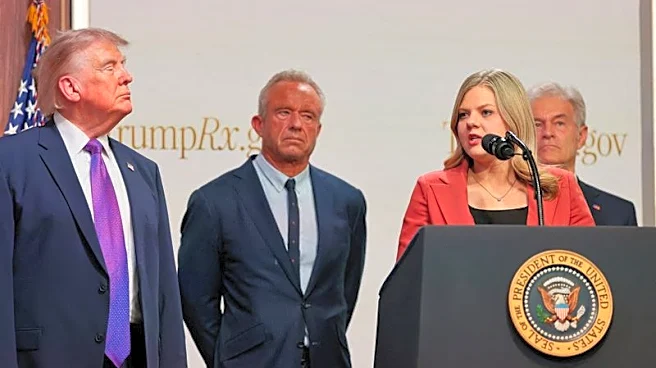
Laura Loomer, a far-right ally of President Trump, played a significant role in the withdrawal of Janette Nesheiwat, President Trump's initial pick for Surgeon General. Loomer publicly criticized Nesheiwat, citing concerns about her stance on COVID vaccines
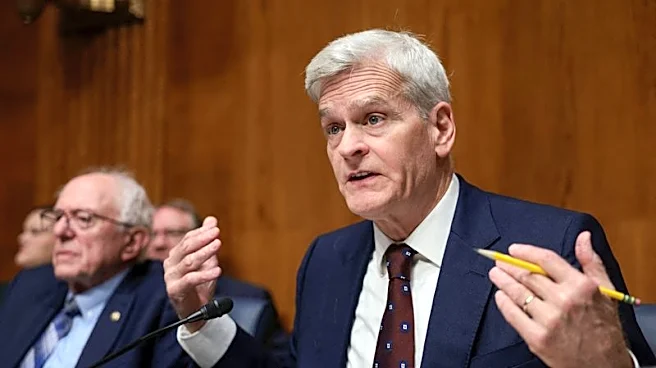
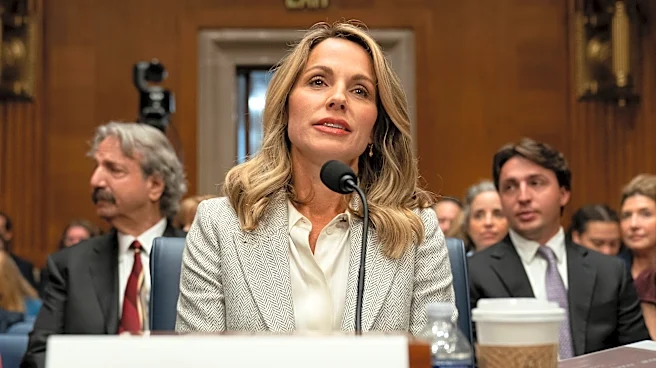
and an ongoing medical malpractice case. Loomer's influence extends beyond this incident, as she has also been instrumental in the ousting of several members of President Trump's National Security Council. This demonstrates her considerable sway within certain political circles and her ability to impact high-level appointments. The subsequent nominees for Surgeon General, Casey Means and Dr. Nicole Saphier, also faced scrutiny regarding their vaccine views during Senate confirmation hearings.
Why It's Important?
This event highlights the significant, albeit often indirect, influence that prominent political commentators and activists can wield over government appointments and policy. Laura Loomer's successful intervention in the Surgeon General nomination process underscores how vocal opposition from influential figures, particularly those with direct access or strong ties to the executive branch, can derail even presidential selections. This dynamic can lead to a more politicized appointment process, where nominees are vetted not only for their qualifications but also for their alignment with specific ideological factions. It also raises questions about the transparency and accountability of such influence, as decisions that affect public health leadership can be swayed by individuals outside formal governmental structures. The incident reflects a broader trend of increased polarization and the power of media personalities in shaping political outcomes.
What's Next?
The continued scrutiny of Surgeon General nominees regarding their vaccine stances suggests that future appointments to public health roles will likely face similar challenges. The influence of figures like Laura Loomer could encourage other activists to exert pressure on presidential nominations, potentially leading to more cautious or ideologically aligned selections in key government positions. This trend might also prompt a more rigorous pre-vetting process for nominees to anticipate and mitigate potential public backlash from influential commentators. The ongoing public discourse around vaccine policies, fueled by various political and media figures, will continue to shape the environment in which such appointments are made, potentially making it more difficult to find consensus candidates for critical health roles.
Beyond the Headlines
The incident with Janette Nesheiwat's nomination reveals a deeper tension between scientific expertise and political ideology in public health leadership. The emphasis on a nominee's vaccine stance, driven by political pressure, can overshadow their broader medical qualifications and experience. This trend could lead to a decline in the appointment of highly qualified, independent experts in favor of those who align with specific political narratives, potentially compromising the effectiveness and public trust in national health institutions. Furthermore, the power of individual influencers to shape governmental decisions raises concerns about the democratic process and the potential for fringe views to disproportionately impact policy. It underscores the evolving landscape of political power, where social media and direct appeals to political leaders can be as impactful as traditional lobbying efforts.