



What's Happening?
Researchers at the University of Waterloo in Ontario, Canada, have engineered a bacterium, Clostridium sporogenes, to potentially combat cancer by consuming tumors from the inside out. This bacterium thrives in oxygen-free environments, making the core
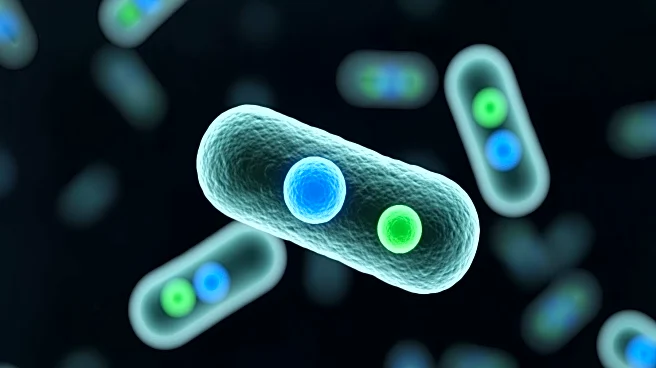
of solid tumors an ideal habitat. The innovation builds on previous scientific efforts to use bacteria for targeting tumors, but addresses a significant limitation: the bacteria's inability to survive in oxygen-rich areas near the tumor's edges. By genetically modifying C. sporogenes to tolerate oxygen, the researchers aim to extend its survival and effectiveness in destroying cancerous tissue. The modification involves adding a gene from a related bacterium, allowing it to survive longer as it approaches the tumor's outer regions. To ensure the bacteria do not survive in unintended oxygen-rich environments, the team employs a quorum sensing system, which activates the oxygen-tolerance gene only when a sufficient number of bacteria are present within the tumor.
Why It's Important?
This development could revolutionize cancer treatment by providing a highly targeted method to weaken or destroy tumors from within, potentially reducing the need for more invasive treatments like surgery or chemotherapy. The ability to engineer bacteria that can survive in varying oxygen levels within tumors addresses a critical challenge in using bacteria for cancer therapy. If successful, this approach could lead to more effective treatments with fewer side effects, benefiting patients who suffer from solid tumors. The research also highlights the potential of genetic engineering and synthetic biology in developing innovative medical treatments, which could have far-reaching implications for the biotechnology and healthcare industries.
What's Next?
The research team plans to combine the oxygen-resistant gene and the quorum-sensing control system into a single bacterium for further testing. These engineered bacteria will be tested in pre-clinical tumor models to evaluate their effectiveness in breaking down solid cancers. If these tests are successful, the next steps would likely involve clinical trials to assess safety and efficacy in humans. The outcome of these trials could determine the future of this treatment approach and its potential integration into standard cancer care protocols.