




What's Happening?
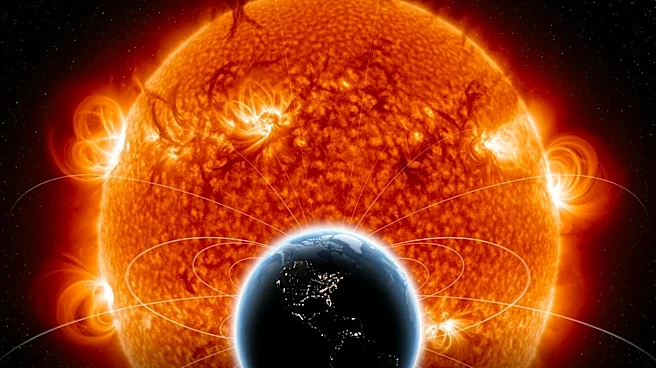
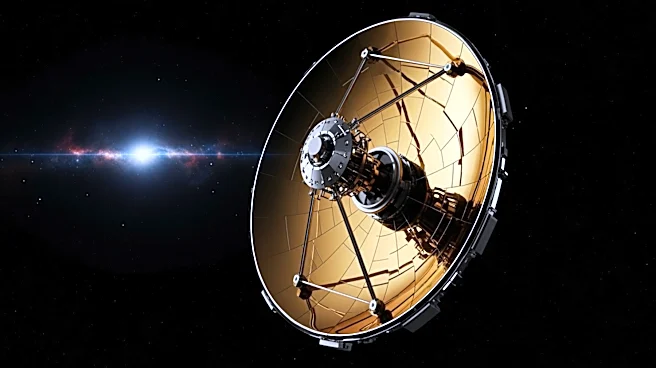
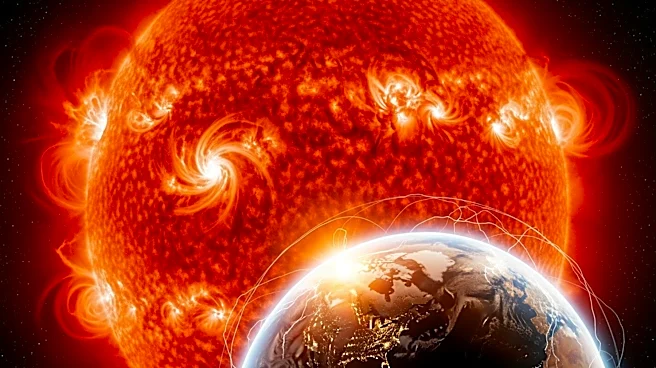
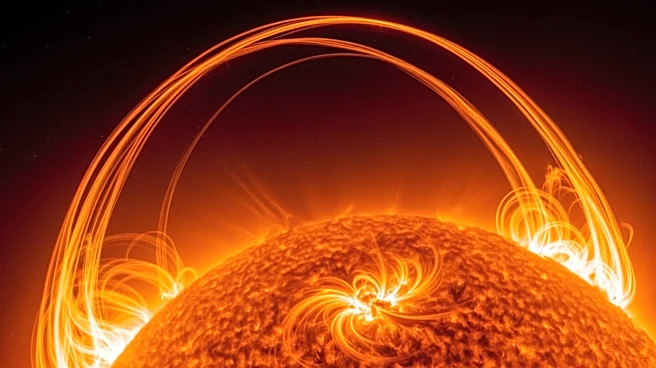
Astronomers have proposed a novel system called 'Storm Wall' to protect Earth from the potentially devastating effects of solar storms. This system involves launching six spacecraft into geosynchronous orbit, each equipped with canisters of alkaline elements
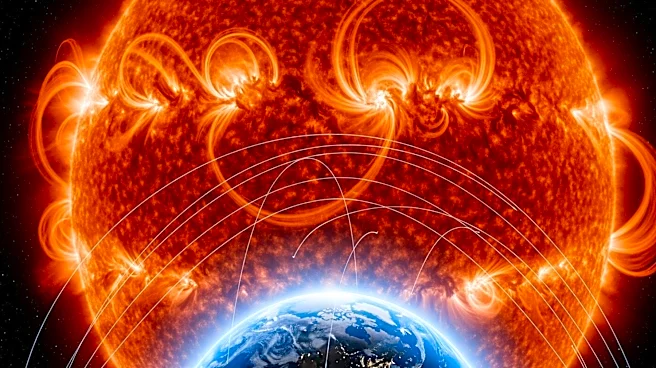
like barium or lithium. These elements would be released to create an artificial plasma shield at the edge of Earth's magnetic field. The plasma is expected to disrupt the energy flow from solar storms, reducing their intensity by half. This reduction could protect critical infrastructure such as satellites, GPS systems, and power grids from damage. The concept, likened to installing an 'airbag' in the magnetosphere, aims to provide a global defense mechanism against space weather. However, the implementation faces potential cost barriers, as it would require launching a significant amount of material into space.
Why It's Important?
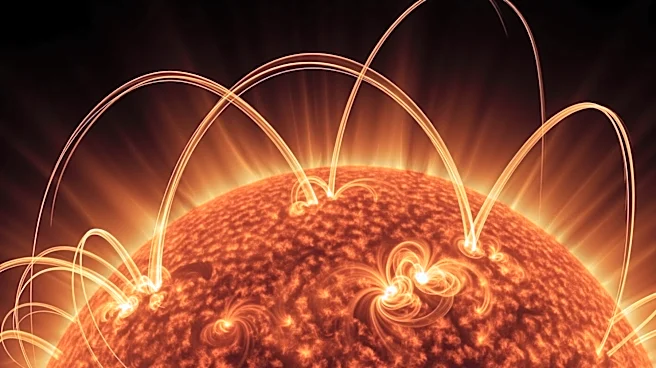
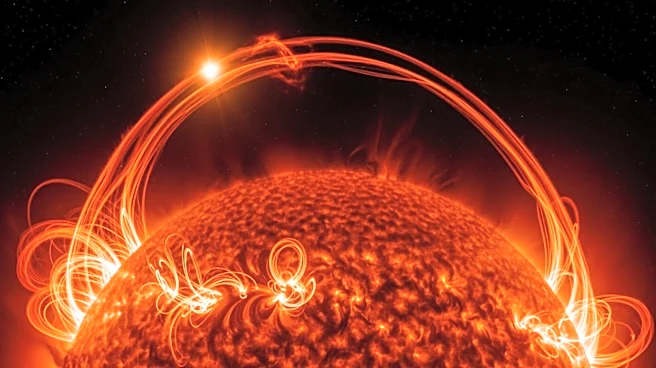
The proposed 'Storm Wall' system is significant as it addresses the growing threat of solar storms, which can disrupt communications, GPS signals, and power grids. By potentially halving the intensity of geomagnetic storms, the system could safeguard vital infrastructure, reducing the risk of widespread technological disruptions. This is particularly important as society becomes increasingly reliant on satellite-based technologies. The proposal also highlights the need for global cooperation, as the benefits of such a system would be shared worldwide, protecting all nations equally. The use of existing technology and materials makes the proposal a practical solution to a pressing issue, emphasizing the importance of innovative approaches to space weather defense.
What's Next?
Future studies are expected to focus on optimizing the 'Storm Wall' system, potentially reducing the amount of material required for its implementation. Researchers aim to refine the model to make it more cost-effective and feasible. The proposal may also prompt discussions among international space agencies and governments about funding and collaboration, as the system's benefits would be global. The development of this system could lead to advancements in space weather prediction and mitigation strategies, encouraging further research and investment in protecting Earth's technological infrastructure from solar storms.