
What's Happening?
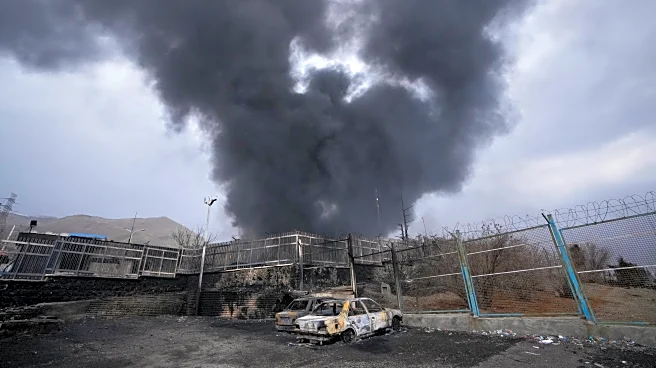
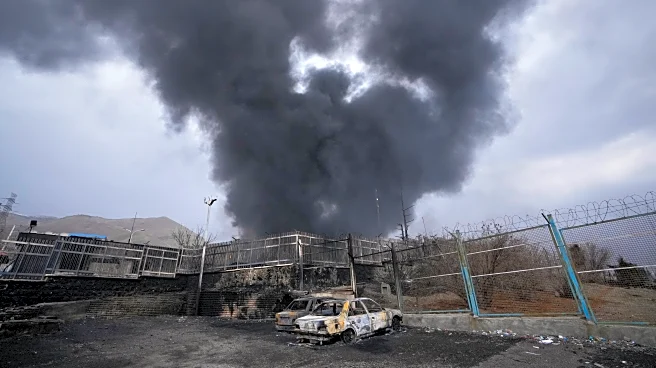
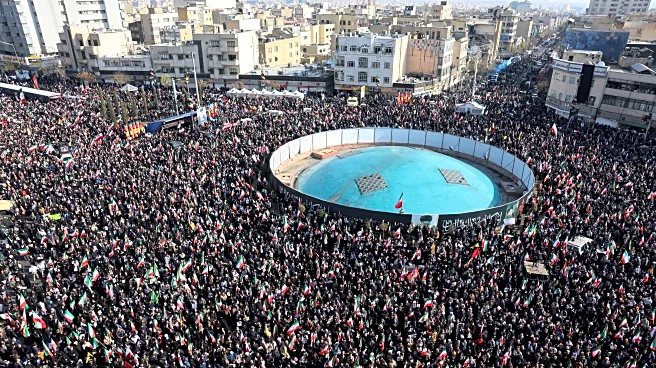
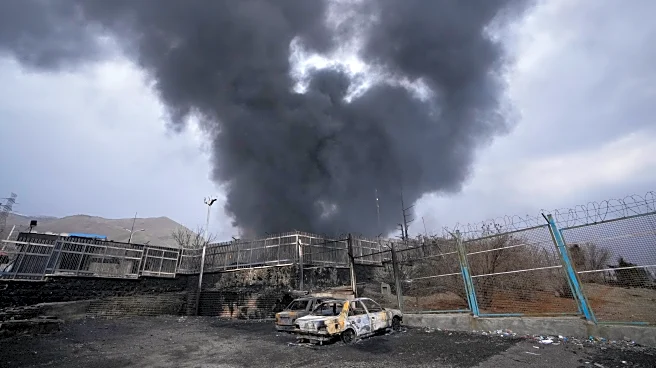
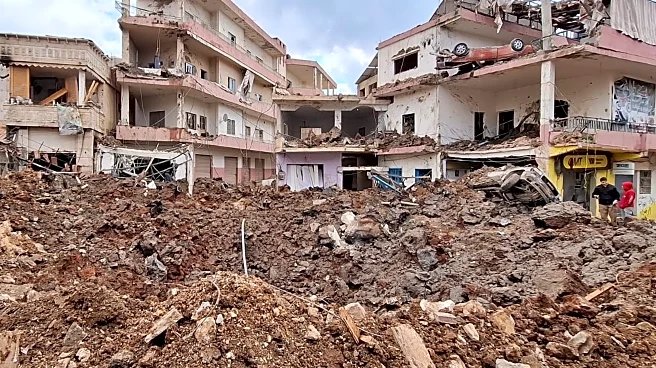
The ongoing conflict in the Middle East, particularly following US and Israeli strikes on Iran, is impacting the region's luxury economy, which has been a significant growth area for the global luxury sector. The conflict has led to casualties, closed
airspace, and canceled flights, affecting the operations of luxury brands in the region. Despite the turmoil, key luxury locations like the Dubai Mall remain open, with local leaders attempting to reassure residents and visitors of their safety. However, in Bahrain, some luxury stores temporarily closed following initial attacks. The Chalhoub Group, a major luxury retailer in the Middle East, has activated its risk and crisis management committee to ensure the safety of its employees and maintain business continuity.
Why It's Important?
The Middle East is a crucial market for the global luxury industry, accounting for an estimated 5% to 6% of global luxury spending. The region's stability is vital for brands like Richemont and Swatch Group, which derive significant revenue from Middle Eastern consumers. The current conflict threatens to disrupt this market, potentially impacting the global luxury sector's recovery efforts. The situation underscores the vulnerability of the luxury market to geopolitical instability, as the Middle East has been one of the few regions showing growth in luxury spending amid global economic challenges.
What's Next?
The future of the luxury market in the Middle East depends on the duration and outcome of the current conflict. If stability returns quickly, the impact on luxury sales might be limited to the current selling season. However, prolonged instability could lead to more significant disruptions, affecting both local and global luxury markets. Luxury brands are likely to continue monitoring the situation closely, adjusting their strategies to ensure the safety of their operations and employees while trying to maintain consumer engagement in the region.
Beyond the Headlines
The conflict highlights the broader implications of geopolitical tensions on global commerce, particularly in sectors heavily reliant on regional stability. The luxury market's dependence on the Middle East for growth reflects a broader trend of emerging markets becoming critical to global economic dynamics. This situation may prompt luxury brands to diversify their market strategies and explore new growth areas to mitigate risks associated with geopolitical instability.