







What's Happening?
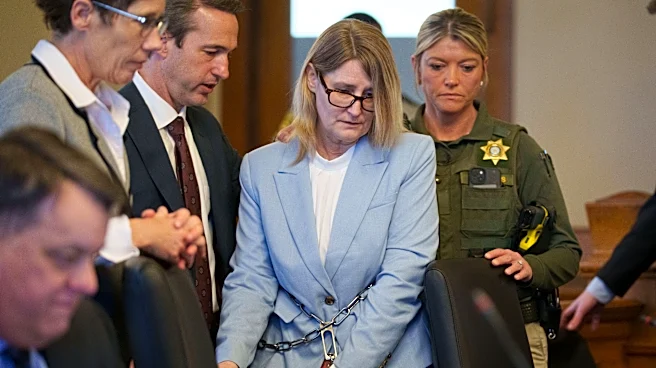
Tanner Seuntjens, a farmer from Danbury, Iowa, has been sentenced to 13 years in federal prison for defrauding the U.S. government of over $1.7 million in agricultural subsidies during the COVID-19 pandemic. Seuntjens pleaded guilty to charges including
theft of government funds, aggravated identity theft, and crop insurance fraud. He admitted to providing false information to obtain funds from the Coronavirus Food Assistance Program, which was designed to support crop and livestock producers affected by the pandemic. Seuntjens filed fraudulent applications in multiple counties under his name and others, falsely claiming ownership of livestock. Additionally, he defrauded a South Dakota bank by forging signatures to deposit checks into his account, using the funds for personal expenses. He also committed crop insurance fraud by underreporting yields to receive undeserved insurance payouts.
Why It's Important?
This case highlights significant vulnerabilities in federal assistance programs, particularly those expanded during emergencies like the COVID-19 pandemic. The fraudulent activities not only resulted in substantial financial loss to the U.S. Department of Agriculture but also undermined the integrity of programs intended to support genuine farmers facing economic hardships. The sentencing serves as a deterrent to others who might exploit government aid programs. It underscores the need for stringent oversight and verification processes to prevent similar frauds, ensuring that aid reaches those truly in need. The case also reflects broader issues of financial fraud in the agricultural sector, impacting trust and resource allocation.
What's Next?
Following the sentencing, Seuntjens is required to pay restitution exceeding $1.7 million to the U.S. Department of Agriculture. This case may prompt federal agencies to review and tighten their application and verification processes for subsidy programs. Increased scrutiny and potential policy changes could be expected to prevent future fraud. The agricultural community and financial institutions may also implement more rigorous checks to safeguard against similar fraudulent activities. Legal and regulatory bodies might explore additional measures to enhance the security and accountability of federal assistance programs.