

What's Happening?
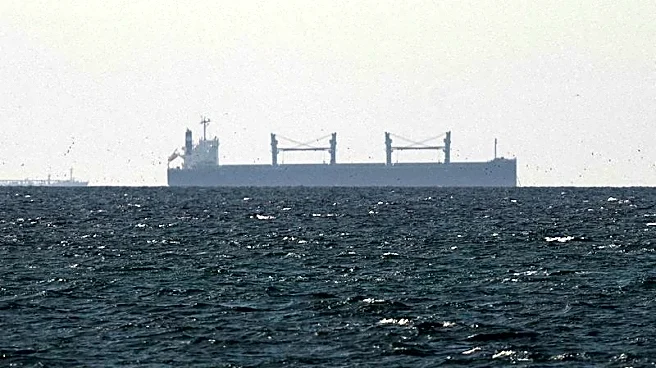
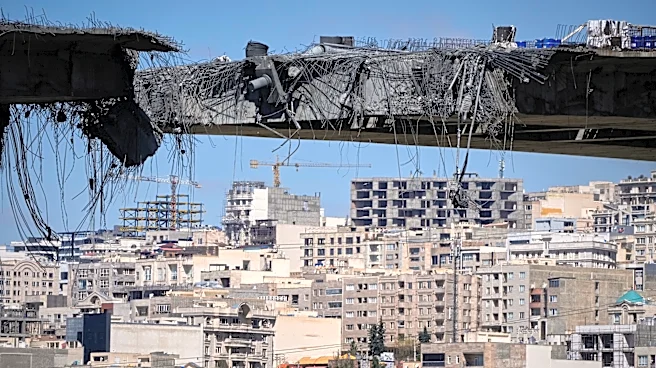
China's aluminium exports are expected to increase significantly as the ongoing conflict in Iran disrupts global supply chains. The closure of the Strait of Hormuz and attacks on major aluminium smelters in the region have created a supply deficit, prompting
a surge in aluminium prices. Chinese exporters are seeing increased inquiries and higher profits, with export profits for aluminium sheet rising by 43% month-on-month. Analysts have revised their forecasts, predicting a 12%-18% growth in China's aluminium exports for the year, compared to previous expectations of flat growth.
Why It's Important?
The increase in China's aluminium exports highlights the country's strategic position as a major supplier in the global market, especially during times of geopolitical instability. The disruption in Iran has led to higher aluminium prices, benefiting Chinese exporters who can capitalize on the supply gap. This situation underscores the interconnectedness of global supply chains and the impact of regional conflicts on international trade. For industries reliant on aluminium, such as automotive and aerospace, the supply disruptions could lead to increased costs and production challenges.
What's Next?
As the conflict in Iran continues, the global aluminium market is likely to experience further volatility. Chinese exporters may continue to benefit from increased demand, but they will also need to navigate potential trade tensions and regulatory changes. Industries dependent on aluminium will need to explore alternative supply sources or adjust their production strategies to mitigate the impact of rising costs. The situation may also prompt discussions on diversifying supply chains and reducing reliance on single-source suppliers to enhance resilience against geopolitical risks.