

What's Happening?
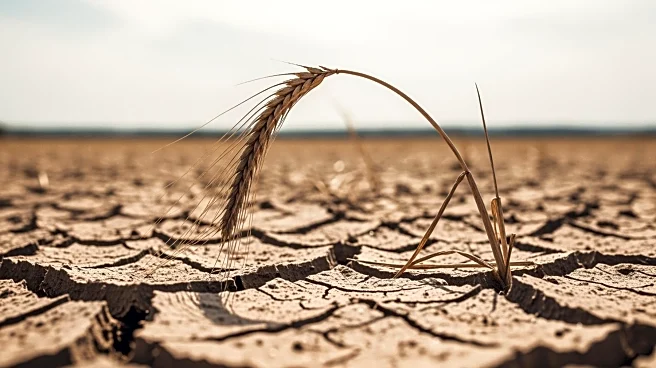
World Water Day, observed on March 22, emphasizes the critical importance of freshwater resources and the necessity for responsible water management across various sectors. In South Africa, agriculture heavily depends on reliable water storage and efficient
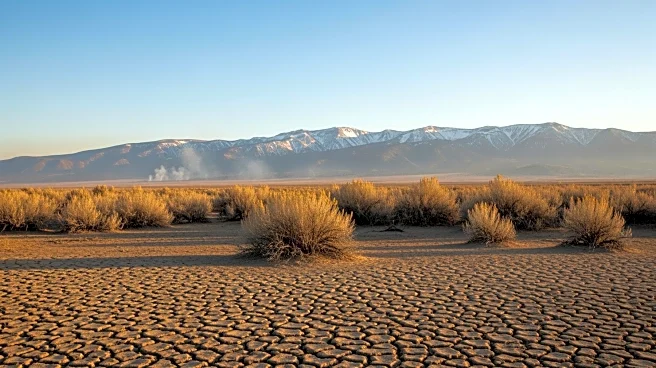
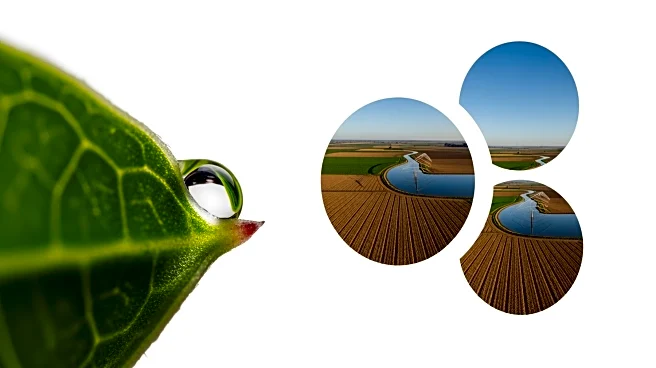
usage to sustain food production and rural economies. The increasing climate variability and frequent droughts necessitate that farmers enhance water storage systems, optimize usage, and manage resources strategically to maintain productivity and resilience. Earth dams are commonly used in agriculture as practical water-storage solutions, but natural soil structures can allow seepage, reducing stored volumes over time. Improving existing water infrastructure is a key strategy to enhance resilience without increasing pressure on natural water sources. Responsible water management is not just a technical issue but also a matter of stewardship, involving efficient storage, reduced wastage, and ongoing maintenance. Innovative soil and dam management technologies are being explored as part of broader water conservation strategies to support long-term sustainability in farming operations.
Why It's Important?
The focus on smarter water management in agriculture is crucial as it directly impacts food security and rural economies. Efficient water management practices can help mitigate the effects of climate change, such as droughts, which threaten agricultural productivity. By improving water storage and usage, farmers can maintain stable food production levels, which is vital for economic stability and growth in rural areas. Additionally, responsible water management practices contribute to environmental sustainability by reducing the pressure on natural water sources. This approach aligns with global efforts to address climate change and promote sustainable development. The collaboration between government, industry, agriculture, and communities is essential to ensure water security and protect freshwater resources for future generations.