



What's Happening?
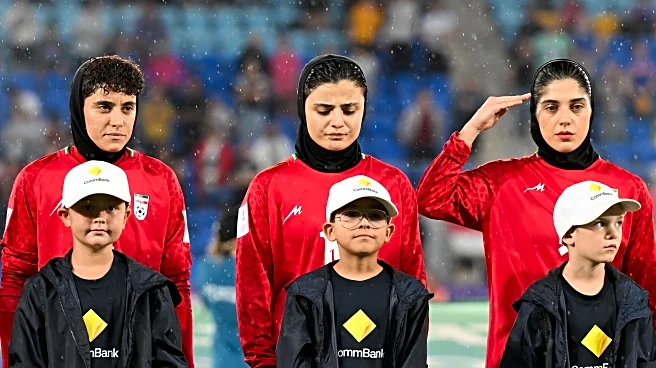
The Iranian women's football team, participating in the Women's Asian Cup in Australia, initially chose not to sing their national anthem before their match against South Korea. This decision was met with criticism in Iran, where state media labeled the players
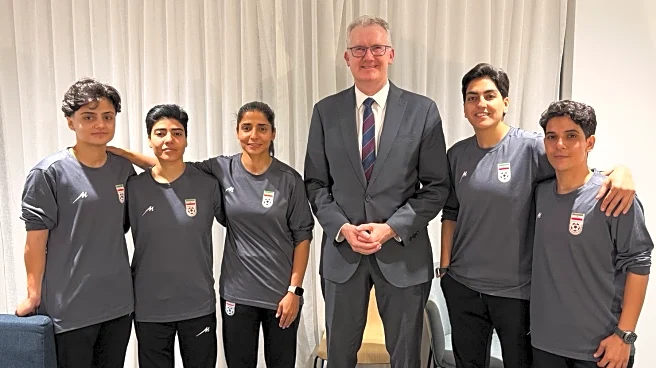
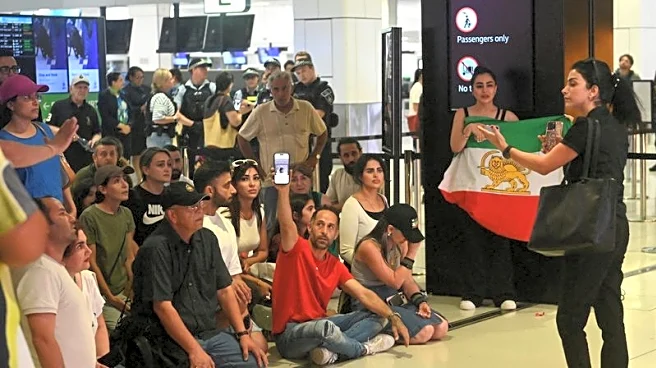
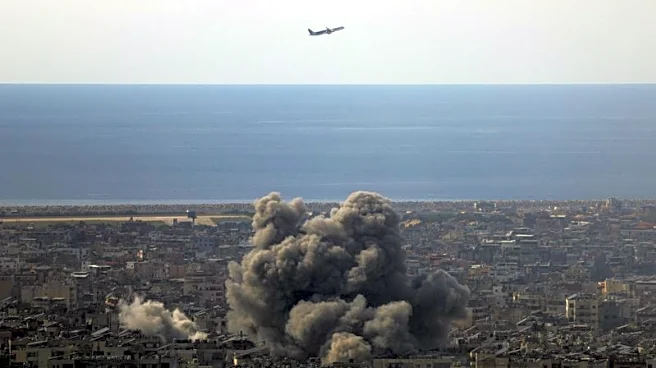
as 'wartime traitors.' The team later sang the anthem before their final game against the Philippines, raising concerns among human rights activists that they may have been coerced by government officials. The situation has drawn significant attention, with a petition launched in Australia urging the government to offer refuge to the team due to fears for their safety upon returning to Iran. The petition has gathered over 51,000 signatures, highlighting the players' precarious position amid ongoing conflict in Iran.
Why It's Important?
This incident underscores the intersection of sports and politics, particularly in regimes where dissent is harshly punished. The Iranian team's actions and the subsequent backlash highlight the broader issues of political pressure and safety concerns faced by athletes from authoritarian countries. The situation also reflects the role of international sports events as platforms for political expression and the potential risks involved. The response from Australian human rights activists and the public petition indicates a growing awareness and support for athletes facing persecution. This case could influence how international sports organizations and host countries address the safety and rights of athletes from repressive regimes.
What's Next?
The future of the Iranian women's football team remains uncertain as they face potential repercussions upon returning to Iran. The Australian government has yet to respond to the petition calling for the team's protection. International sports bodies like FIFA and the Asian Football Confederation may come under pressure to ensure the safety of athletes in similar situations. The ongoing conflict in Iran and the broader geopolitical tensions in the region could further complicate the team's situation. The international community's response, particularly from human rights organizations and sports governing bodies, will be crucial in determining the team's fate and setting a precedent for future cases.