



What's Happening?
Iran has rejected a ceasefire agreement proposed by the United States, which aimed to pause the ongoing conflict and reopen the Strait of Hormuz. The rejection reduces the likelihood of reaching an agreement by President Trump's April 7 deadline. The U.S.
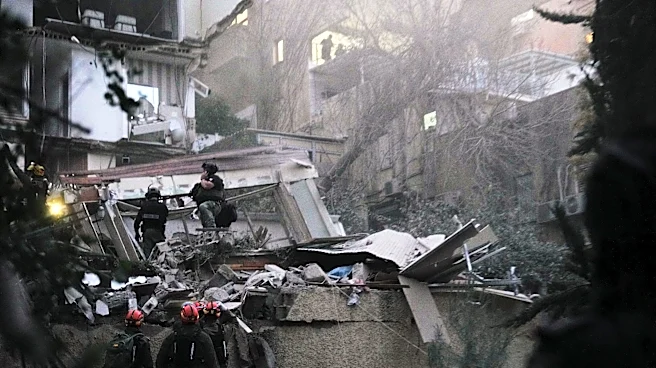
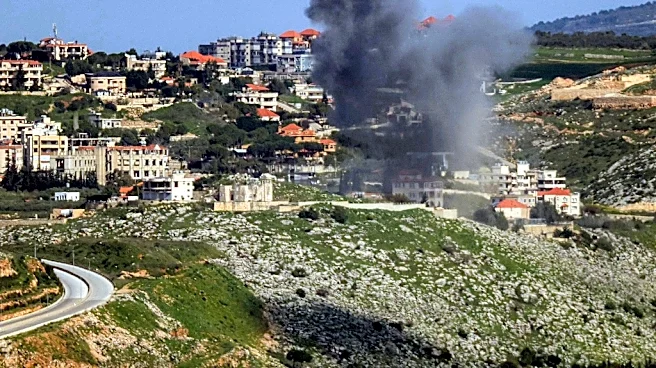
had threatened to strike Iranian energy infrastructure if no deal was reached. Iran's counterproposal included demands for a lasting ceasefire, safe passage through the Strait, and the lifting of sanctions, which the U.S. deemed 'maximalist.' Meanwhile, coordinated attacks by Iran, Hezbollah, and the Houthis targeted Israel, suggesting a strategic effort to maximize psychological impact despite limited large-scale attack capabilities.
Why It's Important?
The rejection of the ceasefire proposal escalates tensions between the U.S. and Iran, with potential implications for global energy markets and regional stability. The Strait of Hormuz is a critical chokepoint for global oil shipments, and its closure could disrupt supply chains and increase oil prices. The U.S. military's readiness to strike Iranian infrastructure highlights the high stakes involved. The coordinated attacks on Israel indicate Iran's strategic use of its alliances to exert pressure, potentially destabilizing the region further. The situation underscores the complexities of Middle Eastern geopolitics and the challenges of diplomatic negotiations.
What's Next?
With the deadline approaching, the U.S. may proceed with military strikes if no agreement is reached, potentially leading to further escalation. Diplomatic efforts may continue, with mediators like Turkey and Qatar playing roles in future negotiations. The international community will likely monitor the situation closely, as any military action could have widespread repercussions. Iran's strategic use of the Strait of Hormuz as leverage suggests it may continue to use economic and military tactics to influence negotiations. The ongoing conflict could prompt further international diplomatic interventions to prevent a broader regional war.