







What's Happening?
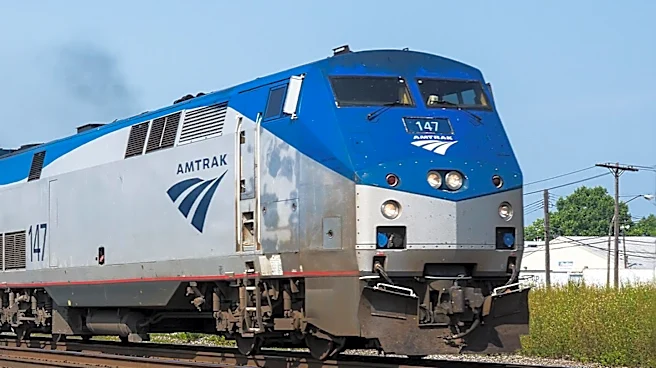
The Office of Inspector General (OIG) for Amtrak has flagged significant risks in the company's fleet replacement programs, which include the NextGen Acela, Airo, and long-distance trainsets. The OIG report, based on 13 years of oversight, highlights
issues such as planning delays, facility inadequacies, and quality control problems that could impact costs and service schedules. Notably, the NextGen Acela trains have not yet achieved the faster speeds and improved comfort promised, with mechanical issues like loose panels causing safety incidents. The report emphasizes the need for better coordination and management to avoid further delays and cost overruns.
Why It's Important?
The findings of the OIG report are crucial as they underscore the challenges Amtrak faces in modernizing its fleet, a key component of its strategy to enhance service and competitiveness. The identified risks could lead to increased operational costs and delays in service improvements, affecting Amtrak's ability to meet growing passenger demand. The report's recommendations for improved planning and quality control are vital for ensuring the success of these multi-billion-dollar investments. Failure to address these issues could undermine public confidence and hinder Amtrak's efforts to expand its market share in the U.S. transportation sector.
What's Next?
Amtrak will need to implement the OIG's recommendations to mitigate the identified risks. This includes enhancing facility planning to accommodate new trainsets and improving quality control measures to ensure the reliability and safety of its services. The company may also need to reassess its project management strategies to better coordinate the various aspects of its fleet replacement programs. As Amtrak continues to roll out new trainsets, ongoing oversight and adjustments will be necessary to align with the OIG's guidance and achieve the intended service improvements.