






What's Happening?
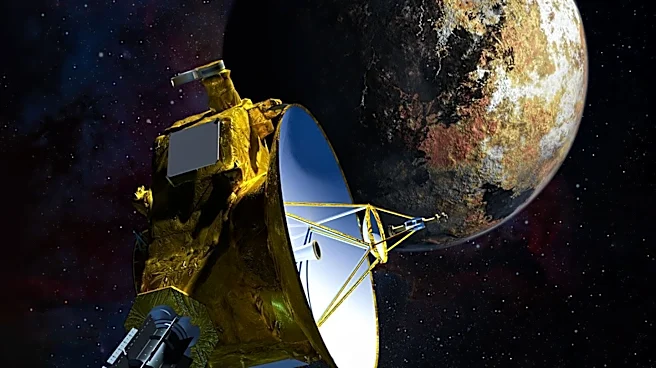
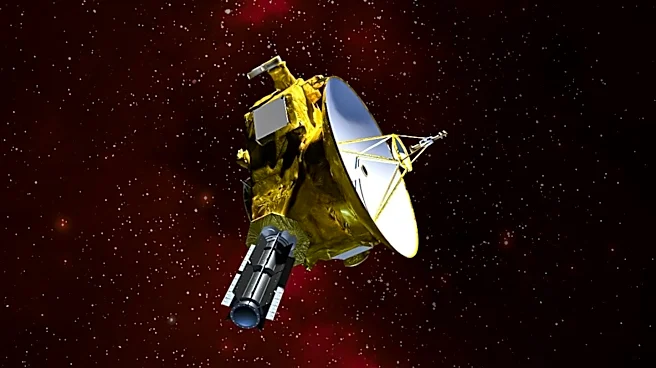
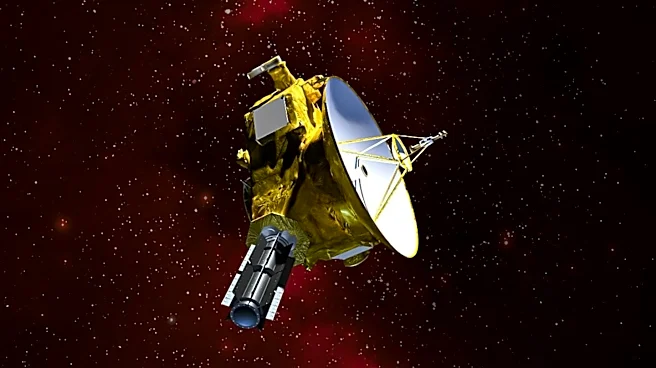
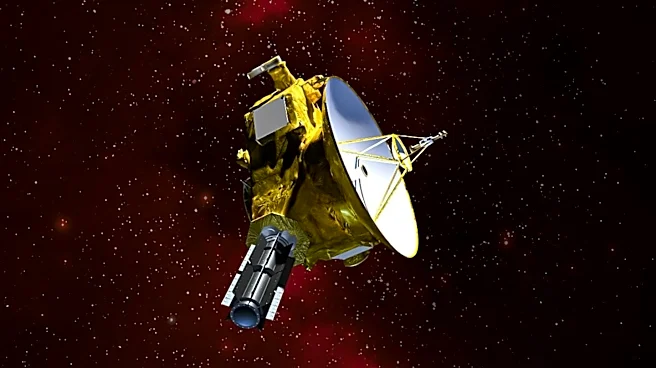
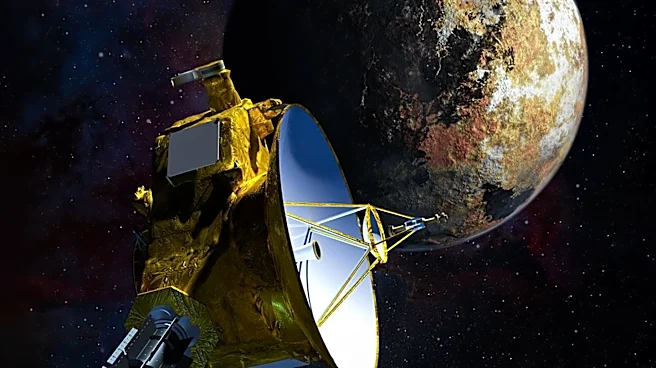
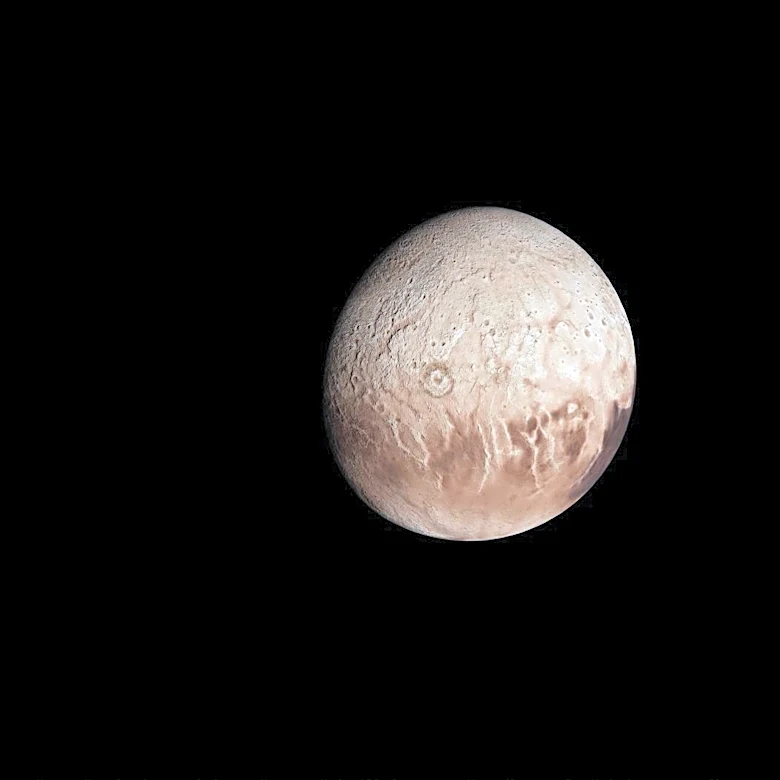
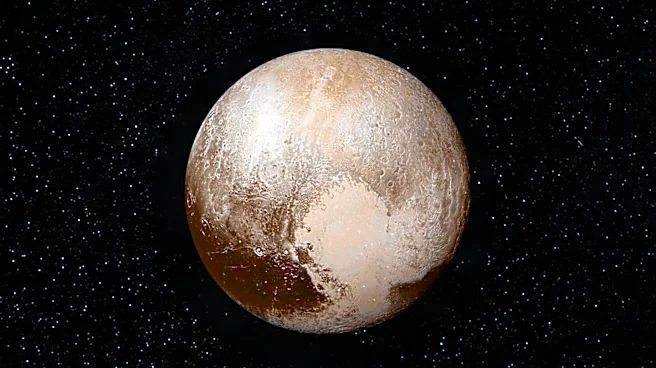
NASA's New Horizons spacecraft has successfully awakened from a 321-day hibernation period, the longest it has ever undertaken, as it continues its mission in the Kuiper Belt. The spacecraft, which launched in 2006, has been exploring the outer solar
system and previously made history with its flyby of Pluto in 2015. After its primary mission, New Horizons was tasked with studying other celestial bodies in the Kuiper Belt, including Arrokoth. The spacecraft's hibernation is a strategy to conserve resources and extend its operational life. During this period, New Horizons remained in a stable spinning mode with most systems powered down, while still collecting data. Upon waking, the spacecraft is reported to be in good health, and its onboard instruments are set to transmit the collected data back to Earth.
Why It's Important?
The New Horizons mission is significant for its contributions to our understanding of the outer solar system. By exploring the Kuiper Belt, the spacecraft provides valuable insights into the composition and behavior of distant celestial bodies, which are remnants from the solar system's formation. The data collected by New Horizons helps scientists study the boundary between the solar system and interstellar space, known as the termination shock. This research is crucial for understanding the solar wind's interaction with the interstellar medium, offering a glimpse into the processes that govern our solar system's outermost regions. The mission's success also demonstrates the viability of long-duration space missions and the potential for future explorations beyond our solar system.
What's Next?
Following its awakening, New Horizons will begin transmitting the data it collected during its hibernation. The spacecraft is set to conduct a study of hydrogen in the outer heliosphere, which is influenced by the solar wind. This research will provide further insights into the solar system's boundary regions. As New Horizons continues its journey, NASA will analyze the data to enhance our understanding of the Kuiper Belt and its role in the solar system's evolution. The mission's findings could inform future missions aimed at exploring even more distant regions of space.