



What's Happening?
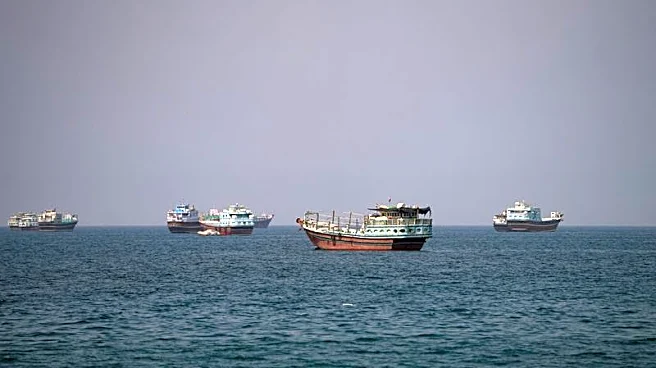
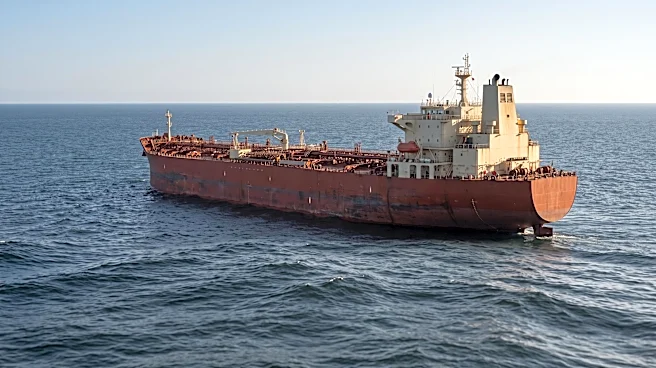
Cameroon is actively working to deregister and sanction foreign vessels that are illegally using its shipping registry to evade international detection and sanctions. These vessels, often referred to as 'shadow fleet' tankers, are frequently involved
in transporting oil from sanctioned countries like Iran, Russia, and Venezuela. The reforms initiated by Cameroon include suspending new registrations for vessels operating outside its waters and conducting an audit of its existing shipping register. These actions come in response to pressure from international bodies such as the European Union and the International Maritime Organization. The country is also focused on enhancing its digital vessel registration process to combat fraud and improve traceability. Raoul Sumo Tayo, a senior researcher at the Institute for Security Studies (ISS), notes that while these reforms are commendable, they alone may not fully resolve the issue, as challenges like counterfeit certificates, fraudulent websites, and compromised digital identities persist. Brokers in countries like Georgia, Montenegro, and Turkey have been identified using pirated digital platforms to forge official Cameroonian maritime documents.
Why It's Important?
The abuse of Cameroon's shipping registry has significant international implications, particularly for global sanctions regimes and maritime security. The 'flags of convenience' system, which Cameroon has been a part of, allows shadow fleets to operate with reduced oversight, facilitating illicit trade and undermining efforts to enforce sanctions against oil-producing nations. The involvement of these fleets in transporting oil from Russia, Iran, and Venezuela directly impacts the effectiveness of U.S. and international sanctions aimed at these countries. The lack of proper verification and monitoring capabilities in Cameroon's maritime administration means that vessels linked to sanctioned entities can operate with relative impunity, generating substantial revenue for these nations. Furthermore, these shadow fleets are often associated with other sea crimes, including illegal, unreported, and unregulated fishing, as well as drug smuggling, posing broader threats to international security and economic stability. The U.S. Navy, alongside Moroccan and Spanish navies, has already been involved in operations to intercept vessels registered under the Cameroonian flag found to be engaged in illicit activities, highlighting the direct involvement of U.S. interests in addressing this issue.
What's Next?
Cameroon is expected to continue its efforts to strengthen its maritime governance and combat shipping registry abuse. According to Raoul Sumo Tayo of the ISS, further steps are necessary beyond the current reforms. These include legislative changes, enhanced due diligence, and beneficial-owner verifications to address the more sophisticated methods of fraud, such as counterfeit certificates and compromised digital identities. Experts suggest that Cameroon needs to establish a specialized merchant navy corps equipped with control capabilities, compliance tools, and real-time tracking systems to effectively surveil its waters and registered vessels. Additionally, optimizing collaboration with international partners, including the U.S. and other maritime nations, will be crucial for improving maritime security. Connecting with the International Maritime Organization’s Global Integrated Shipping Information System is also recommended to access vessel flag histories and prevent fraudulent registrations. The ongoing international pressure and the potential for further sanctions or diplomatic actions will likely drive Cameroon to implement more comprehensive and robust measures to clean up its shipping registry.
Beyond the Headlines
The issue of shipping registry abuse in Cameroon highlights a broader global challenge in maritime governance and the enforcement of international law. The 'flags of convenience' system, while offering economic benefits to some nations, creates loopholes that can be exploited by illicit actors, including those involved in state-sponsored sanctions evasion and organized crime. The reliance on aging oil tankers in these shadow fleets, often operating without proper insurance, also poses significant environmental risks, as potential accidents could lead to catastrophic oil spills with far-reaching ecological and economic consequences. The case of Cameroon underscores the need for a more harmonized and robust international framework for maritime registration and oversight. It also brings to light the ethical dilemmas faced by countries with limited resources in balancing economic opportunities from shipping registries against the imperative of upholding international legal and ethical standards. The long-term implications could involve a re-evaluation of international maritime regulations and increased pressure on flag states to enhance transparency and accountability in their registration processes.