






What's Happening?
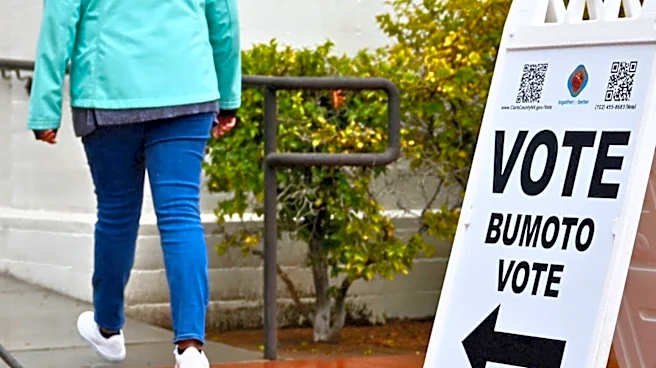
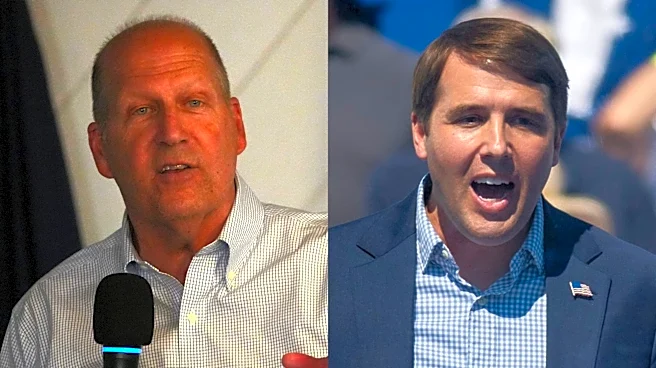
Rhode Island Governor Dan McKee is facing a significant challenge in the Democratic primary from former CVS executive Helena Foulkes. This primary election is notable as incumbent governors rarely lose their party's nomination, with the last instance
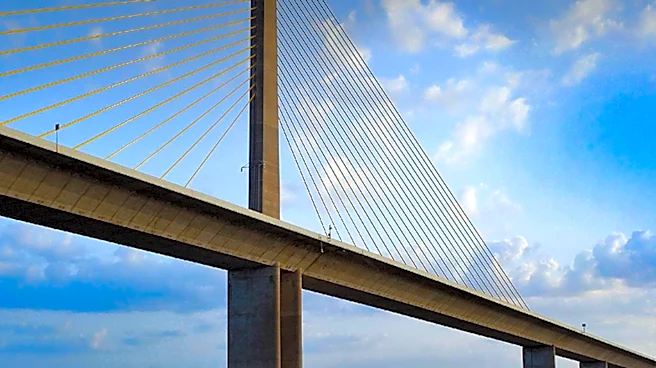
in Rhode Island occurring in 1994. McKee, who assumed the governorship in 2021 after Gina Raimondo became U.S. Commerce Secretary, is being scrutinized for his administration's handling of the Washington Bridge. The bridge, a critical link for Interstate 195 connecting Providence to its eastern suburbs and Massachusetts, was abruptly closed in 2023 due to safety concerns. While traffic continues to flow, it has been restricted to fewer lanes on a newer section of the span, leading to extended commute times. Foulkes has capitalized on public frustration regarding the bridge project's cost and pace, arguing that McKee's administration is not effectively serving most Rhode Islanders. McKee, in turn, has defended his decisions as necessary for public safety and has characterized Foulkes as an out-of-touch elite, referencing her past role at CVS during the opioid crisis.
Why It's Important?
This primary contest highlights the significant impact of infrastructure issues and public perception on political careers. The Washington Bridge controversy has become a central theme, demonstrating how local infrastructure failures can quickly escalate into major political liabilities for incumbent leaders. For Rhode Island, the outcome of this primary could determine the state's leadership direction and its approach to critical infrastructure projects. A loss for Governor McKee would signify a strong anti-incumbent sentiment and a public demand for greater accountability and efficiency in government. For the Democratic Party, it underscores the challenges of maintaining voter confidence, even in states where the party typically holds a strong position. The election also brings into focus the broader national trend of voter dissatisfaction with the status quo and the potential for challengers, particularly those with strong business backgrounds like Foulkes, to leverage public discontent. The debate over Foulkes's past at CVS also reflects ongoing societal concerns about corporate responsibility and public health crises, such as the opioid epidemic.
What's Next?
The immediate next step is the outcome of the Democratic primary election. If Governor McKee loses, it would mark a rare instance of an incumbent governor failing to secure re-nomination, potentially shifting the political landscape in Rhode Island. The winner of the Democratic primary will then proceed to the general election, where they will face the Republican nominee. The ongoing construction and projected completion of the Washington Bridge by 2028 will remain a critical issue, regardless of who wins the primary. The future governor will inherit the responsibility of overseeing this project and addressing the public's concerns about its progress and impact on daily life. The primary's result will also be closely watched by political strategists nationwide as an indicator of voter sentiment and the effectiveness of campaigns centered on infrastructure and government accountability. The debate between McKee and Foulkes also sets the stage for continued discussions on the role of government in managing large-scale projects and the balance between public safety and economic disruption.
Beyond the Headlines
Beyond the immediate political implications, this primary race touches upon deeper themes of public trust in government and the challenges of modern infrastructure management. The Washington Bridge incident underscores the vulnerability of aging infrastructure across the U.S. and the immense pressure on public officials to address these issues effectively and transparently. The public's exasperation with the bridge project reflects a broader societal demand for efficient governance and accountability, particularly when daily lives are significantly disrupted. The contest also highlights the evolving nature of political campaigns, where past professional experiences, even in the private sector, can become central to a candidate's narrative and a point of contention. The comparison of the Washington Bridge project to the Francis Scott Key Bridge collapse in Baltimore, though distinct in cause, illustrates the heightened public awareness and sensitivity surrounding infrastructure safety and project timelines. This election serves as a microcosm of the national conversation about infrastructure investment, governmental competence, and the public's expectation for tangible results from their elected leaders.