


What's Happening?
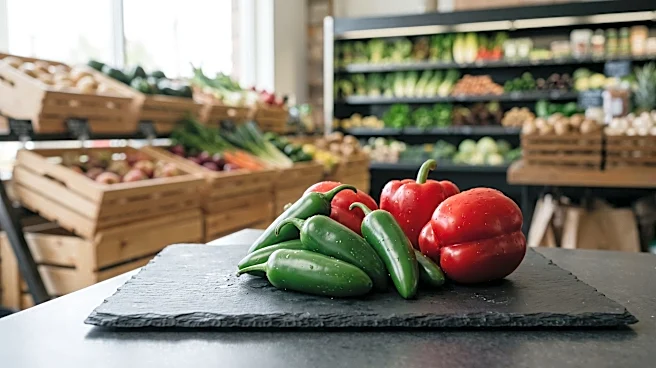
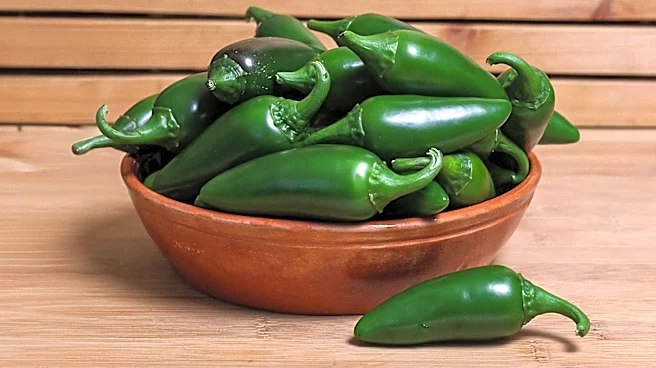
The Food and Drug Administration (FDA) has released its final report on a Salmonella Javiana outbreak that sickened 488 people, confirming that jalapeño peppers imported by Coast Citrus Distributors of San Diego were the vehicle of the outbreak. The peppers originated
from a grower in Sinaloa, Mexico. Despite identifying the source, the FDA redacted the names of the supplier, the grower, and the ranch in Sinaloa, without public explanation. An FDA inspection of the unnamed firm from September 7 to 15 resulted in a Form 483, citing personnel, sanitation, and cross-contamination issues. On September 24, the firm was added to Import Alert 99-35, allowing the FDA to detain its fresh produce at the border without physical examination. The outbreak, which affected 34 states according to the CDC, was identified through epidemiological evidence and traceback records, as all tested retail, environmental, and water samples were negative for Salmonella.
Why It's Important?
This report highlights critical issues in food safety, particularly concerning imported produce and supply chain transparency. The redaction of the grower and supplier names by the FDA prevents restaurants, grocers, and consumers from identifying whether they have previously sourced products from the implicated firm, potentially undermining efforts to prevent future outbreaks. The Form 483, indicating personnel, sanitation, and cross-contamination issues, points to significant lapses in food safety practices at the source. While the import alert provides a safeguard by allowing detention of future shipments, the lack of transparency regarding past suppliers leaves a gap in accountability. The outbreak demonstrates how quickly contaminated produce can spread across multiple states and various food service establishments, emphasizing the need for robust traceability systems and clear communication to protect public health. The discrepancy in hospitalization figures between the FDA and CDC also raises concerns about data consistency in public health reporting.
What's Next?
While the jalapeño-linked Salmonella Javiana outbreak is officially over and recalled peppers are no longer expected to be in circulation, the implications of the FDA's report are ongoing. The import alert will continue to allow the FDA to detain shipments from the unnamed firm at the border, serving as a primary safeguard. However, the lack of transparency regarding the firm's identity means that businesses and consumers cannot proactively avoid products from this specific source. The FDA has not indicated whether it will publicly name the redacted firm or provide further details on corrective actions taken. Separately, the FDA is investigating a new Salmonella Javiana outbreak with 70 illnesses, which officials have not linked to the jalapeño outbreak. This ongoing situation underscores the continuous challenge of foodborne illness prevention and the need for improved traceability and transparency in the food supply chain.
Beyond the Headlines
The FDA's decision to redact the names of the grower and supplier in this significant Salmonella outbreak raises profound questions about corporate accountability and consumer right-to-know in the food industry. While the agency cited personnel, sanitation, and cross-contamination issues, the anonymity granted to the implicated firm could be perceived as prioritizing business interests over public health transparency. This practice can undermine the effectiveness of public health advisories and prevent market-driven consequences for firms with documented safety failures. The incident also highlights the complexities of regulating imported food, where the distance and differing regulatory environments can complicate traceback investigations and enforcement. The broader implication is a potential erosion of consumer trust in the safety of imported produce, emphasizing the need for stronger international food safety agreements and more stringent transparency requirements for all entities within the food supply chain.