







What's Happening?
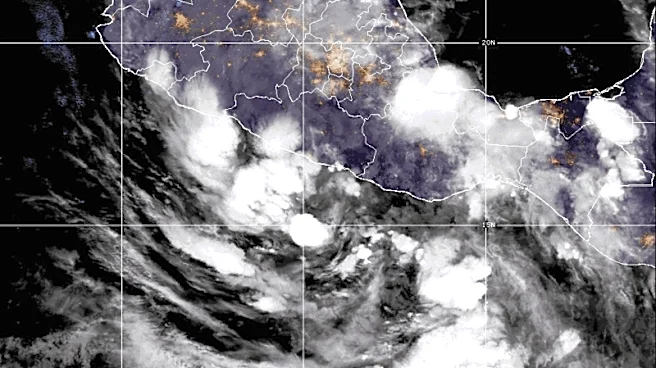
Tropical Storm Boris has weakened to a tropical depression as it moves inland over southern Mexico, bringing heavy rain and potential flash flooding to the region. Meanwhile, Tropical Storm Cristina is off the coast of Nicaragua, expected to bring several
days of heavy rain to Central America. Cristina, with maximum sustained winds of 40 mph, is moving north-northeast and could cause life-threatening flash flooding in Costa Rica, Nicaragua, Honduras, El Salvador, and Guatemala. Both Nicaragua and El Salvador have issued Tropical Storm Warnings. The National Hurricane Center (NHC) reports that sea surface temperatures are above average, potentially favoring further tropical development.
Why It's Important?
The heavy rainfall and potential for flash flooding pose significant risks to communities in southern Mexico and Central America, threatening lives, homes, and infrastructure. The agricultural sector could face disruptions, impacting food supply and local economies. The increased tropical activity highlights the ongoing vulnerability of these regions to climate-related events, emphasizing the need for effective disaster preparedness and response strategies. The situation also underscores the importance of monitoring sea surface temperatures, which can influence the frequency and intensity of tropical storms.
What's Next?
As Boris dissipates, attention will shift to Cristina's path and potential impacts. Authorities in affected countries are likely to continue issuing warnings and advisories, urging residents to take precautions. The NHC will monitor the situation closely, providing updates on the storm's development and trajectory. Communities in the affected areas should prepare for possible evacuations and ensure they have access to emergency supplies and information.