






What's Happening?
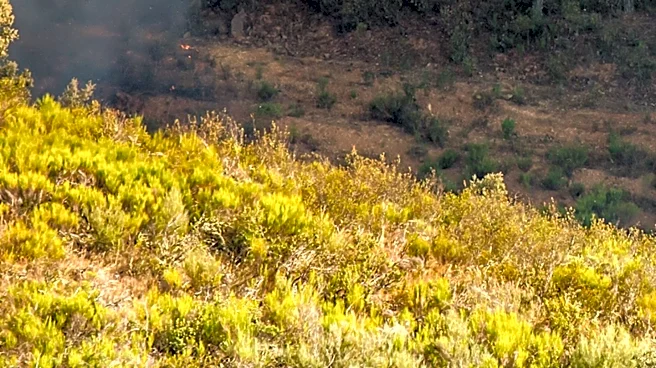
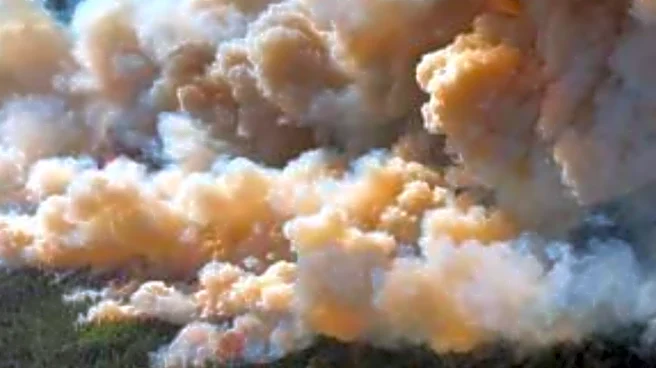
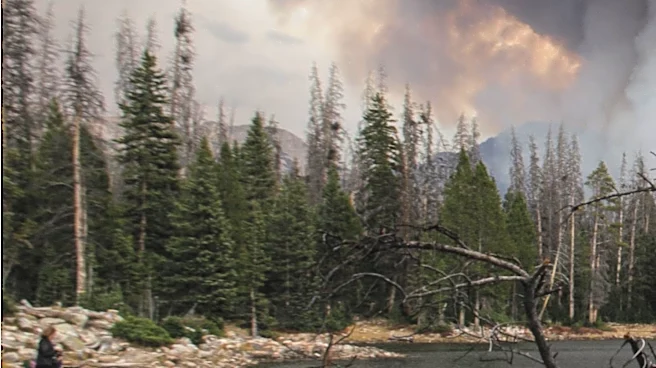
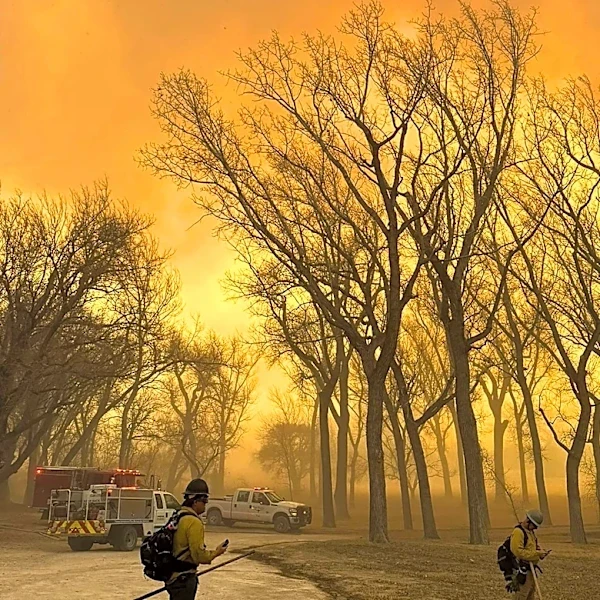
For the third consecutive day, smoke from Canadian wildfires is affecting air quality across parts of western New York. The New York State Department of Environmental Conservation has issued an Air Quality Health Advisory for seven counties, including
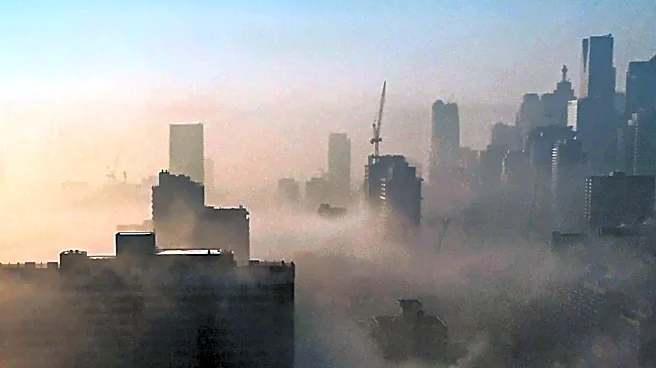
Niagara, Orleans, Erie, Genesee, Wyoming, Chautauqua, and Cattaraugus, through midnight on July 17, 2026. The advisory warns that the Air Quality Index (AQI) values could exceed 150, categorizing the air as 'unhealthy.' The smoke contains fine particulate matter (PM2.5), which poses health risks by penetrating deep into the lungs and bloodstream. Sensitive groups, such as children, older adults, and individuals with respiratory or heart conditions, are advised to take precautions. Meteorologist Heather Kenyon from the National Weather Service in Buffalo noted that while conditions are improving, the air quality remains unhealthy for sensitive groups. Visibility is expected to improve, with more significant changes anticipated over the weekend as scattered showers may help clear the smoke.
Why It's Important?
The extended air quality alert highlights the ongoing impact of Canadian wildfires on U.S. air quality, particularly in western New York. The health risks associated with poor air quality are significant, especially for vulnerable populations. The situation underscores the interconnectedness of environmental issues across borders and the need for coordinated responses to mitigate health risks. The advisory serves as a reminder of the broader implications of climate-related events, such as wildfires, on public health and safety. It also emphasizes the importance of monitoring air quality and taking preventive measures to protect at-risk groups.
What's Next?
As the air quality is expected to improve over the weekend, residents are advised to stay informed about current conditions through resources like AirNow.gov. The potential for strong to severe thunderstorms on Saturday could further influence air quality by dispersing smoke. Health officials recommend that individuals, particularly those in sensitive groups, continue to monitor their health and seek medical attention if severe symptoms occur. The situation may prompt discussions on long-term strategies to address air quality issues and enhance public health preparedness in response to environmental challenges.