





What's Happening?
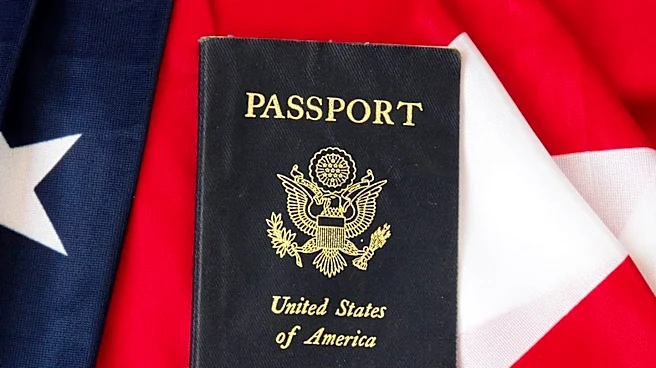
Individuals seeking to enter or reside in the United States are advised to understand the distinct processes for U.S. visas and green cards. A U.S. visa typically grants temporary entry for specific purposes like tourism, study, or employment, while a green card,
or Permanent Resident Card, confers lawful permanent resident status, allowing long-term living and working in the U.S. The application process varies significantly based on individual circumstances and the intended duration and purpose of stay. Key steps include identifying the correct immigration category, such as family-sponsored, employment-based, student, or visitor visas, and meticulously preparing accurate documentation. Applicants must also be truthful on all forms, understand financial and sponsorship requirements, and be prepared for potential interviews and medical examinations. Consulting an experienced immigration law firm can help applicants navigate these complex requirements and avoid common pitfalls, ensuring a smoother application process.
Why It's Important?
The distinction between a U.S. visa and a green card is crucial for anyone planning to enter or reside in the United States, as choosing the wrong pathway can lead to significant delays or application denials. The U.S. immigration system is highly complex, with varying eligibility criteria, documentation requirements, and processing procedures across numerous categories. This complexity impacts individuals seeking temporary visits, employment, education, or permanent residency, directly affecting their ability to achieve their goals in the U.S. Errors or omissions in applications, or a lack of understanding of financial and sponsorship obligations, can have severe consequences, including visa refusals or prolonged legal battles. Therefore, a clear understanding of these processes is vital for economic stakeholders, families, and individuals planning their future in the U.S., as it directly influences their legal status, work authorization, and overall stability within the country.
What's Next?
Applicants for U.S. visas and green cards should prioritize verifying current requirements through official U.S. government sources, as immigration rules and procedures are subject to change. Those with complex legal circumstances, previous immigration violations, or inadmissibility concerns are strongly encouraged to seek professional legal assistance. Preparing all necessary documents, such as birth certificates, marriage records, and financial evidence, in advance can expedite the process if a filing window opens. Applicants must also keep their contact information updated with immigration authorities and be vigilant against potential scams that promise guaranteed visas or faster approvals. Continuous monitoring of application status and prompt responses to requests for additional evidence are critical to avoid complications and ensure a timely decision on their immigration case.
Beyond the Headlines
The intricate nature of the U.S. immigration system, as highlighted by the distinctions between visas and green cards, reflects broader policy objectives related to national security, economic needs, and social integration. The rigorous documentation and interview processes are designed to ensure compliance with immigration laws and to prevent fraud, but they also place a significant burden on applicants. The emphasis on truthfulness and accuracy in applications underscores the legal and ethical dimensions of immigration, where misrepresentation can lead to severe penalties. Furthermore, the varying processing times and annual numerical limits for certain categories reveal the administrative challenges and political considerations that shape immigration flows. This system, while aiming for fairness and order, often necessitates external legal counsel, indicating the profound impact of legal expertise on individual outcomes and the broader functioning of U.S. immigration policy.