







What's Happening?
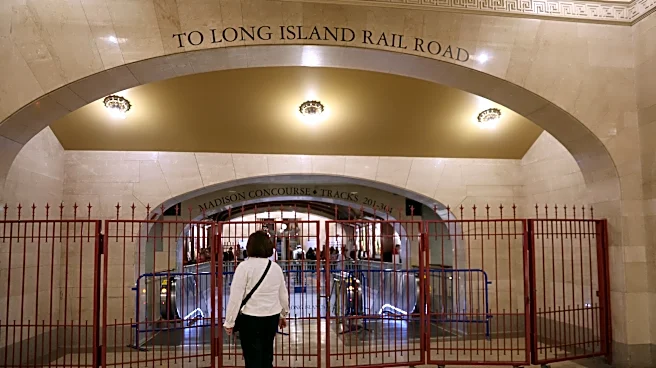
The U.S. Department of Transportation and Amtrak have announced the selection of Penn Transformation Partners, led by Halmar International and Skanska, as the master developer for the Penn Station overhaul. This decision follows a competitive bidding
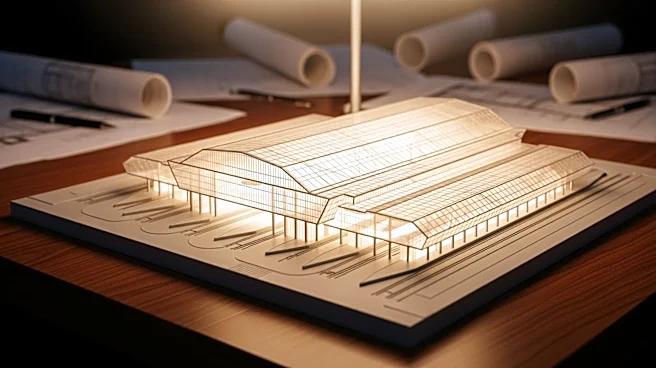
process and aims to transform Penn Station into a 'world-class' facility. The project will feature open concourses, expanded track capacity, and improved passenger experiences, while maintaining Madison Square Garden's current location. The redesign will draw inspiration from the original Beaux-Arts Penn Station, demolished in the 1960s, and will include a grand entrance on Eighth Avenue. The federal government has committed $8 billion to the project, with an additional $200 million from the Federal Railroad Administration for design and permitting work. The project is expected to begin before the end of 2027.
Why It's Important?
The redevelopment of Penn Station is a significant infrastructure project that promises to enhance the daily commute for thousands of passengers. By expanding track capacity and improving passenger facilities, the project aims to alleviate congestion and improve efficiency in one of the nation's busiest transit hubs. The investment reflects a broader commitment to modernizing U.S. transportation infrastructure, which could have positive economic impacts by creating jobs and boosting local businesses. Additionally, the project aligns with efforts to preserve historical architecture while accommodating modern needs, potentially setting a precedent for future urban redevelopment projects.
What's Next?
The next steps involve the ratification of the project plans by relevant stakeholders, including the MTA board and union members. As the project progresses, there will likely be further announcements regarding specific design elements and construction timelines. Stakeholders such as local businesses, commuters, and historical preservationists will be closely monitoring developments. The project's success will depend on effective collaboration between federal, state, and local entities, as well as the ability to manage costs and minimize disruptions during construction.