


What's Happening?
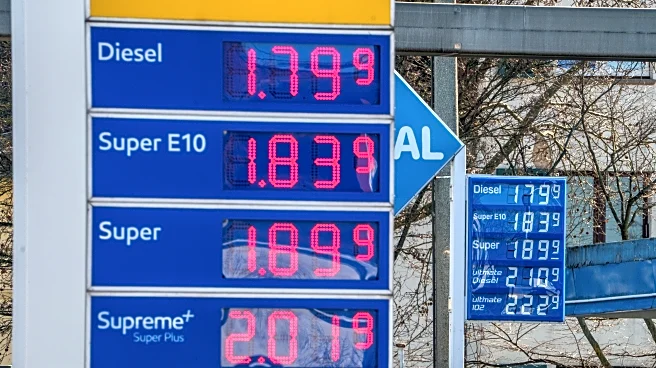
Gas prices in Sacramento are experiencing an upward trend, with some stations reporting prices exceeding $5 per gallon. This increase is attributed to recent geopolitical tensions between the United States and Iran. The conflict has raised concerns about
potential disruptions in oil supply, which in turn affects gasoline prices. The situation has led to heightened anxiety among consumers and businesses reliant on fuel, as they brace for the economic impact of these rising costs. Historically, geopolitical events in oil-producing regions have had significant effects on global oil prices, and the current situation is no exception.
Why It's Important?
The rise in gas prices has broad implications for the U.S. economy, particularly affecting transportation and logistics sectors. Higher fuel costs can lead to increased prices for goods and services, as businesses pass on the additional expenses to consumers. This can contribute to inflationary pressures, impacting household budgets and potentially slowing economic growth. Additionally, the situation underscores the vulnerability of the U.S. energy market to international events, highlighting the need for strategies to mitigate such risks. Stakeholders, including policymakers and industry leaders, may need to consider measures to stabilize the market and protect consumers from volatile price swings.
What's Next?
In response to the rising gas prices, there may be calls for government intervention to alleviate the burden on consumers. This could include releasing strategic petroleum reserves or implementing temporary tax relief measures. Additionally, businesses may explore alternative energy sources or efficiency improvements to reduce reliance on gasoline. The situation also presents an opportunity for renewed discussions on energy independence and the transition to renewable energy sources. As the geopolitical situation evolves, stakeholders will closely monitor developments and adjust their strategies accordingly.