



What's Happening?
The Trump Administration has announced the termination of humanitarian aid to seven African countries, including Burkina Faso, Cameroon, Malawi, Mali, Niger, Somalia, and Zimbabwe. This decision is part of a broader strategy to align foreign aid with
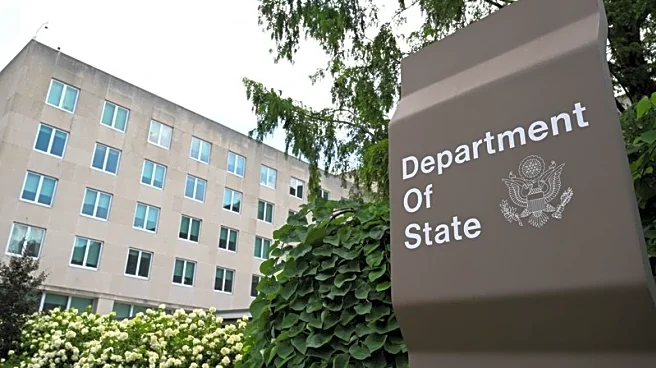
U.S. national interests. According to an internal State Department email, the aid programs in these countries, previously deemed lifesaving, are being canceled due to a perceived lack of connection to U.S. national interests. The administration had previously canceled aid to Afghanistan and Yemen, citing resource diversion by terrorists. The decision affects millions facing extreme conditions, with aid groups expressing concern over the potential humanitarian impact.
Why It's Important?
The cessation of aid to these countries could exacerbate existing humanitarian crises, affecting millions who rely on U.S. assistance for survival. The decision reflects a shift in U.S. foreign policy under the Trump Administration, prioritizing national interest over humanitarian needs. This move could strain relations with affected countries and international aid organizations, potentially leading to increased instability in regions already facing significant challenges. The redirection of aid to other countries, such as Ethiopia and South Sudan, suggests a strategic realignment of U.S. foreign aid priorities.
What's Next?
The affected countries and aid organizations may seek alternative funding sources to mitigate the impact of the aid cuts. The U.S. State Department has indicated that some aid will be redirected through the United Nations, but details remain unclear. The decision may prompt discussions within the international community about the role of humanitarian aid in foreign policy and the ethical implications of prioritizing national interests over global humanitarian needs.