









What's Happening?
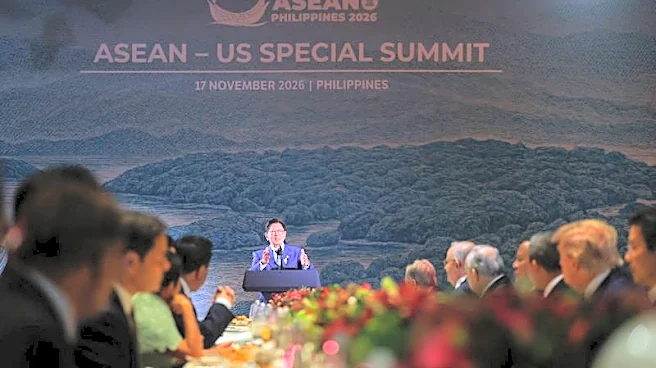
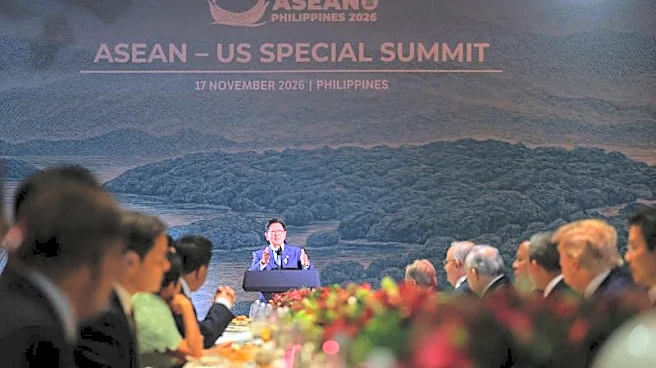
The 49th ASEAN Summit is currently underway in Manila, Philippines, from November 15 to 17, 2026. Leaders from ASEAN's 11 member states have gathered to discuss regional cooperation, economic development, and shared political and security challenges.
Hosted under the Philippines' chairmanship, the summit's theme is 'Navigating Our Future, Together,' emphasizing strengthened cooperation amidst a complex international environment. The three-day event provides a platform for ASEAN leaders to review regional developments and coordinate on key issues such as regional security, economic resilience, energy security, digital development, and transboundary environmental concerns. Additionally, ASEAN leaders are engaging with external partners, including the United States, China, Japan, India, Australia, and South Korea, through a series of related summits. Economic cooperation is a significant focus, with discussions on navigating global trade uncertainties, strengthening regional integration, and developing digital and green economies to enhance economic resilience.
Why It's Important?
This summit is crucial for the United States and its allies as it addresses critical regional stability and economic issues in Southeast Asia. The engagement with external partners, including the U.S., highlights the region's strategic importance in global geopolitics and trade. Discussions on regional security directly impact U.S. interests in maintaining peace and stability in the Indo-Pacific, particularly concerning maritime security and freedom of navigation. Economic resilience and digital development initiatives within ASEAN can create new opportunities for U.S. businesses and investments, fostering stronger trade ties. Furthermore, addressing transboundary environmental concerns aligns with global efforts on climate change, an area where the U.S. has significant policy interests. The outcomes of these discussions will influence regional policies that could affect international supply chains, trade routes, and diplomatic relations, impacting various U.S. economic and strategic stakeholders.
What's Next?
The summit is expected to conclude with a formal handover of the ASEAN chairmanship from the Philippines to Singapore on November 17. Singapore will officially assume responsibility for coordinating the bloc's priorities and facilitating regional discussions starting January 1, 2027. The discussions in Manila will set the direction for ASEAN's collective agenda for the upcoming year, influencing Singapore's chairmanship priorities, which are anticipated to include digital connectivity, economic cooperation, and regional resilience. Member states will need to identify common priorities and work towards shared objectives, despite their diverse economic circumstances and national interests. The ongoing engagement with external partners will likely continue, shaping future diplomatic and economic collaborations between ASEAN and countries like the United States.
Beyond the Headlines
The 49th ASEAN Summit underscores the ongoing efforts to solidify regional unity and economic integration in Southeast Asia amidst increasing global complexities. Beyond the immediate policy discussions, the summit reflects a broader strategic positioning of ASEAN within the international community. For the U.S., the summit's emphasis on economic resilience and digital transformation signals a growing market for technological collaboration and investment, potentially deepening economic interdependence. The continued dialogue on regional security, particularly in areas like the South China Sea, highlights the persistent geopolitical challenges that require multilateral solutions and sustained diplomatic engagement. The transition of chairmanship to Singapore, a small, trade-dependent economy, suggests a potential focus on maintaining an open, stable, and predictable regional environment, which aligns with broader U.S. foreign policy goals in the Indo-Pacific.