



What's Happening?
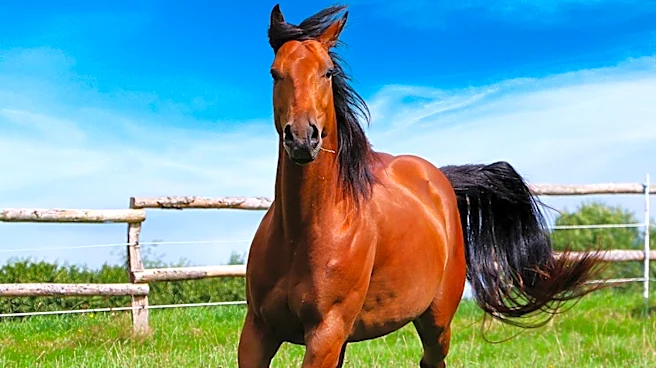
A new case of New World screwworm has been confirmed in a horse in Bandera County, Texas, according to the Texas Health Commission's website. This detection, documented two days prior to November 11, 2026, has led to the establishment of an infested zone
in the surrounding area. The Kendall County Office of Emergency Management and Fire Marshal has urged residents to remain vigilant and report any suspected infestations immediately. Officials emphasize that early detection is crucial for limiting the spread and minimizing long-term impacts on livestock, pets, and wildlife. Residents are advised to inspect their animals and take protective measures. Another infested zone has been established in Reagan County, West Texas, following a separate detection of New World screwworm.
Why It's Important?
The detection of New World screwworm in Texas poses a significant threat to the state's agricultural sector, pet owners, and wildlife populations. This parasitic fly's larvae feed on living tissue, causing severe wounds, bacterial infections, and potentially death if untreated. The establishment of infested zones and the call for public vigilance highlight the potential for widespread economic and ecological damage. Livestock producers face risks of animal loss and increased veterinary costs, while pet owners must be diligent in protecting their animals. For wildlife, particularly vulnerable species, an outbreak could have devastating consequences, disrupting ecosystems and biodiversity. The need for immediate reporting underscores the urgency of containing this pest to prevent broader impacts across the state.
What's Next?
Following the confirmed cases, Texas residents, particularly in Bandera and Reagan Counties, are urged to inspect their animals regularly and report any suspected New World screwworm infestations without delay. The Texas Animal Health Commission is the point of contact for livestock and pets at 800-550-8242, while the Texas Parks and Wildlife Department handles wildlife concerns at 512-389-4505. Private veterinarians should also be notified immediately if an infestation is suspected. The USDA is reportedly hiring 228 workers for a new facility in Texas to produce sterile flies, a common method for combating screwworm spread. These measures aim to control the current outbreaks and prevent further expansion of the parasitic fly's presence in the state.
Beyond the Headlines
The re-emergence and spread of New World screwworm in Texas highlight the ongoing challenges of managing invasive species and the critical role of public awareness and rapid response in animal health. While not a food safety concern, the screwworm's impact extends beyond direct animal health to broader economic and environmental implications. The need for a coordinated effort involving state agencies, local emergency management, and the public underscores the interconnectedness of animal health, agricultural stability, and ecological balance. This situation also brings to light the historical success of eradication programs for screwworm in the U.S. and the constant threat of reintroduction, emphasizing the importance of robust biosecurity measures and continuous surveillance to protect national animal populations.