






What's Happening?
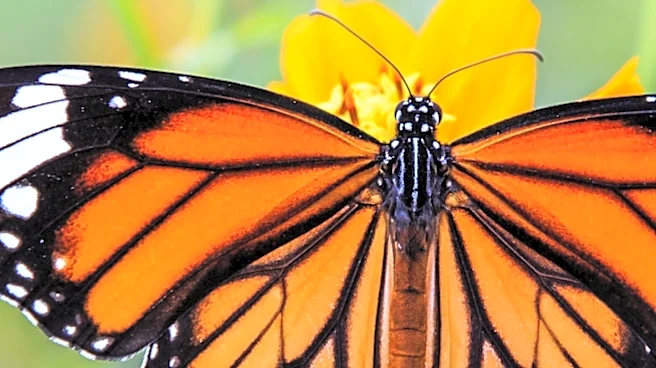
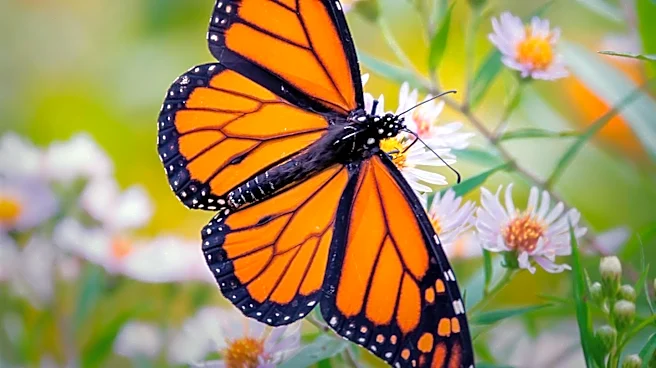
As fall commences, Monarch butterflies are currently migrating through Central Illinois on their annual journey to Mexico. Kristi Shoemaker of the Peoria Park District has observed adult Monarchs, as well as their offspring in caterpillar and chrysalis
stages, at the Tawny Oaks Visitors Center in Edelstein over the past few weeks. These younger Monarchs, if they develop before a cold snap, will join the migration south. The prairies at Tawny Oaks are crucial, providing not only Milkweed but also Goldenrod and Asters, which are essential food sources for the butterflies' reproduction and long journey. The Monarchs' fall migration typically begins in August, passes through the central U.S. in September and October, and reaches Mexico by late October to early November. This extensive journey requires several generations of Monarchs to complete.
Why It's Important?
The successful migration of Monarch butterflies through Central Illinois is vital for the species' survival and highlights the importance of maintaining diverse ecosystems. The availability of specific plant species like Milkweed, Goldenrod, and Asters in areas like Tawny Oaks Visitors Center directly supports the Monarchs' ability to reproduce and fuel their arduous journey to Mexico. The multi-generational nature of this migration underscores the need for continuous habitat preservation across their migratory path, including the central U.S. The health of the Monarch population serves as an indicator of broader environmental well-being, as their decline can signal issues within the ecosystems they inhabit. Protecting these migratory routes and their necessary flora is crucial for biodiversity and ecological balance.
What's Next?
The Monarch offspring currently in Central Illinois will continue their development, and if they mature before the onset of cold weather, they will join the millions of other Monarchs heading to Mexico for the winter. Upon reaching Mexico, they will overwinter before beginning the return migration to Canada in the spring, a journey that will again span multiple generations. Ongoing efforts to maintain and restore habitats rich in Milkweed and nectar-producing flowers along the migratory corridor will be critical for the continued success of future migrations. Conservation organizations and local park districts will likely continue monitoring the butterfly populations and advocating for practices that support their life cycle and migratory needs.
Beyond the Headlines
The Monarch butterfly migration is a remarkable natural phenomenon that faces increasing threats from habitat loss, pesticide use, and climate change. The reliance on specific plants like Milkweed for reproduction makes them particularly vulnerable to changes in agricultural practices and land development. The long-term implications of a declining Monarch population extend beyond the species itself, impacting pollination services and signaling broader ecological instability. The collective effort required to protect these butterflies, from local conservation efforts in Illinois to international agreements for their overwintering sites in Mexico, highlights the interconnectedness of ecosystems and the global responsibility in preserving biodiversity. The journey of the Monarchs serves as a powerful symbol of nature's resilience and fragility.