




What's Happening?
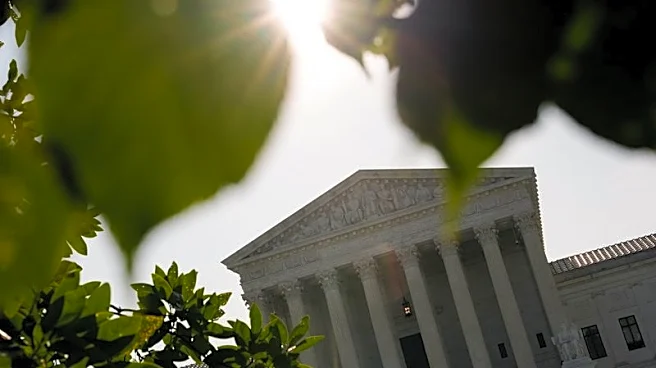
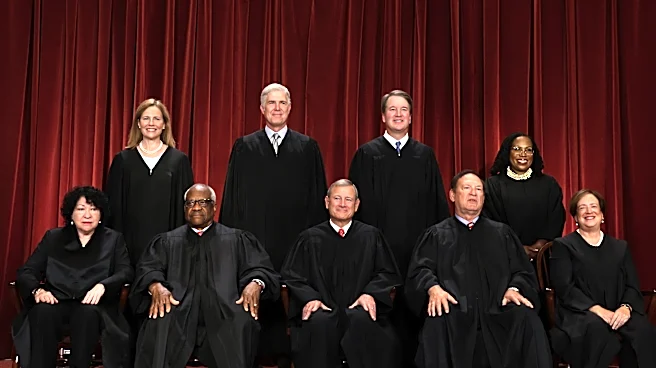
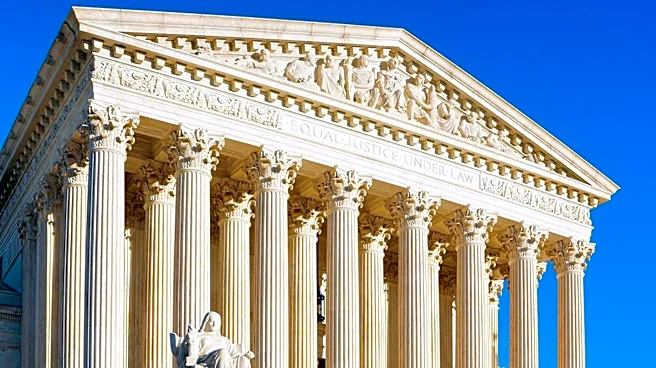
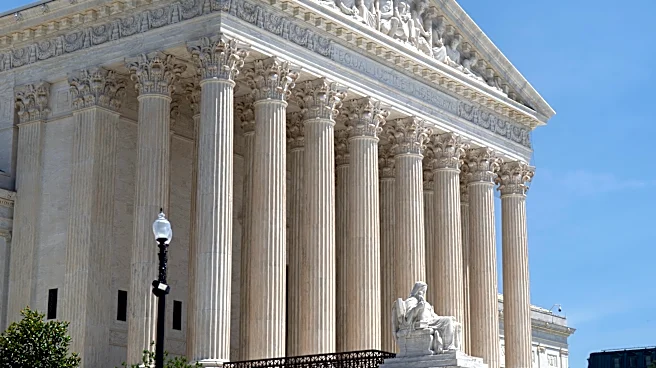
The Supreme Court has recently concluded a term marked by significant decisions impacting President Trump’s administration. The court delivered rulings on various issues, including tariffs, birthright citizenship, and mail-in ballots, often opposing Trump's
positions. Notably, the court upheld a state ban on trans women in sports and supported immigration restrictions, reflecting a complex stance on executive authority. Analysts David Brooks and Jonathan Capehart discussed these developments, highlighting the court's role in checking presidential power while expanding executive authority in certain areas. The court's decisions underscore ideological divisions and the balance of power within the U.S. government.
Why It's Important?
These Supreme Court decisions are pivotal as they shape the boundaries of executive power and influence public policy. By opposing some of President Trump’s initiatives, the court reinforces its role as a check on presidential authority, preserving democratic principles. However, the expansion of executive power in certain rulings raises concerns about the balance between government branches. The decisions impact various stakeholders, including marginalized groups affected by sports bans and immigration policies. The rulings also reflect broader political dynamics, influencing legislative actions and public discourse on governance and civil rights.
What's Next?
Future implications of these Supreme Court decisions may include legislative responses and potential challenges to executive authority. As the court continues to navigate complex legal issues, stakeholders such as lawmakers, civil rights groups, and the public will likely engage in debates over the balance of power and the protection of democratic values. The court's stance may influence upcoming elections and policy decisions, shaping the political landscape and affecting public trust in government institutions.
Beyond the Headlines
The Supreme Court's term highlights deeper issues regarding the role of independent agencies and the protection of democratic processes. The court's decisions may prompt discussions on the ethical and legal dimensions of executive power, influencing long-term shifts in governance. The ideological splits within the court reflect broader societal debates on civil rights and government accountability, potentially affecting cultural and political norms.