



What's Happening?
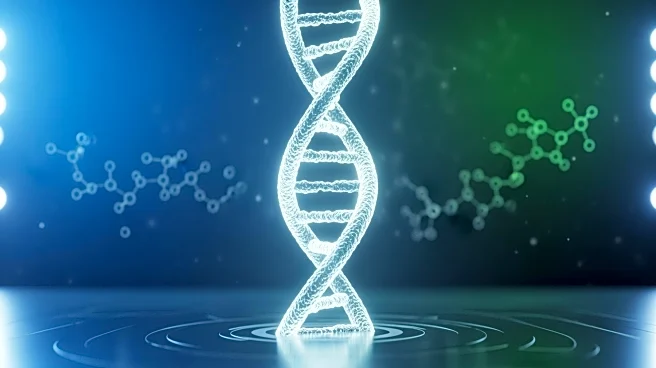
Researchers at University College London and Great Ormond Street Hospital have developed a new gene-edited CAR-T cell therapy, BE-CAR7, which shows promising results in treating T-cell acute lymphoblastic leukemia (T-ALL). This innovative therapy uses
base-edited immune cells to target and destroy cancerous T-cells, achieving high remission rates in clinical trials. The therapy has been administered to both children and adults, with 82% of patients reaching deep remission, allowing them to proceed to stem cell transplants without detectable disease. The treatment has shown manageable side effects, primarily related to immune system rebuilding.
Why It's Important?
This development is significant as it offers a new treatment option for patients with T-ALL, a fast-moving and difficult-to-treat blood cancer. The high remission rates and manageable side effects suggest that BE-CAR7 could become a viable alternative for patients who do not respond to standard therapies. The ability to create 'universal' CAR T-cells from healthy donors also represents a breakthrough, potentially increasing accessibility and reducing treatment costs. This advancement could pave the way for similar therapies targeting other types of cancer.
What's Next?
The research team plans to expand clinical trials to include more patients and further refine the therapy. Discussions with regulatory bodies will be crucial to establish a pathway for approval and wider use. Additionally, the success of BE-CAR7 may inspire further research into base-editing technologies and their applications in other forms of cancer treatment. Continued funding and support from medical research councils and charities will be essential to advance this promising therapy.