

What's Happening?
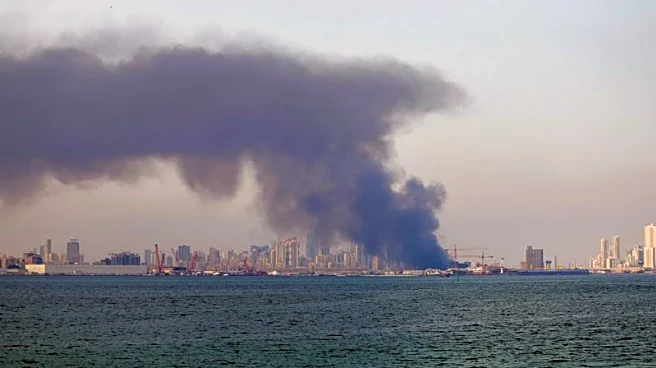
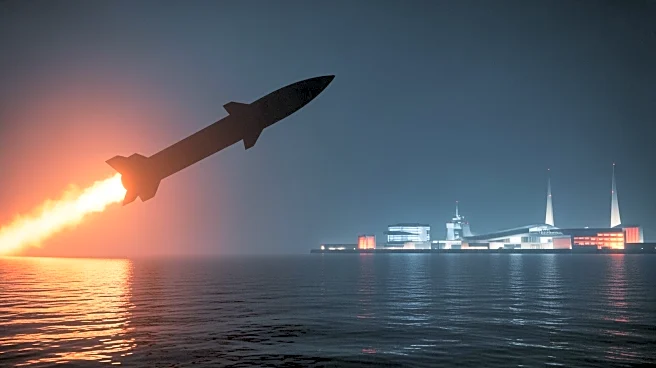
Iran has threatened to close the Strait of Hormuz, a critical oil shipping route, in response to U.S. and Israeli military strikes. This move has led to a significant reduction in the number of vessels using the strait, which carries a fifth of the world's
oil and gas supplies. The Iranian Revolutionary Guards have issued threats to vessels, causing a buildup of ships at either end of the strait. The potential disruption of oil shipments is expected to cause a sharp rise in oil prices when markets reopen. The situation has already led to increased insurance costs and war risk notices for shipping through the strait.
Why It's Important?
The closure of the Strait of Hormuz would have a profound impact on global oil supplies and prices. As a major conduit for oil exports from the Middle East, any disruption could lead to significant price increases, affecting gasoline prices and inflation worldwide. The situation highlights the geopolitical risks associated with the region and the potential for military conflicts to disrupt global energy markets. The U.S. and its allies may need to take strategic actions to ensure the security of oil supplies and prevent economic instability.
What's Next?
The focus will be on Iran's next moves and whether it will enforce the closure of the Strait of Hormuz. The response of OPEC countries, particularly in terms of increasing production, will be crucial in stabilizing oil prices. The U.S. naval forces may also play a role in ensuring the continued flow of oil through the strait. Investors and policymakers will be closely monitoring the situation to assess the potential for further escalation and its impact on global energy markets.