





What's Happening?
The Joint Ministerial Monitoring Committee (JMMC) of the Organization of the Petroleum Exporting Countries (OPEC) held its 65th meeting via videoconference, involving key member countries such as Saudi Arabia, Russia, Iraq, UAE, Kuwait, Kazakhstan, Nigeria,
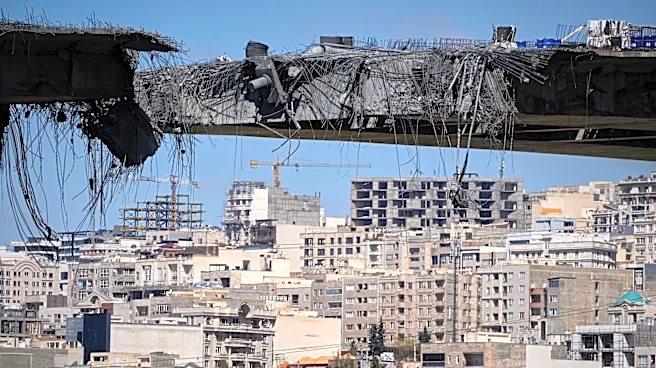
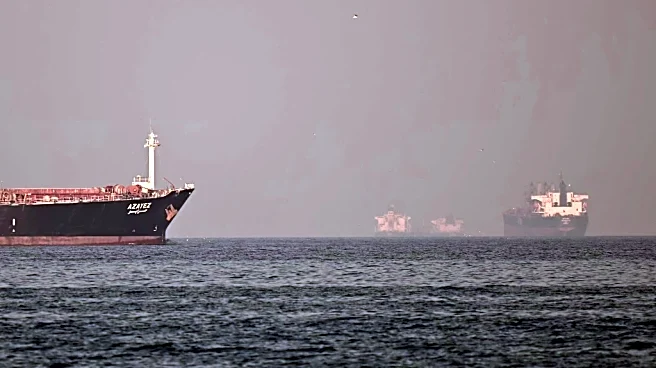
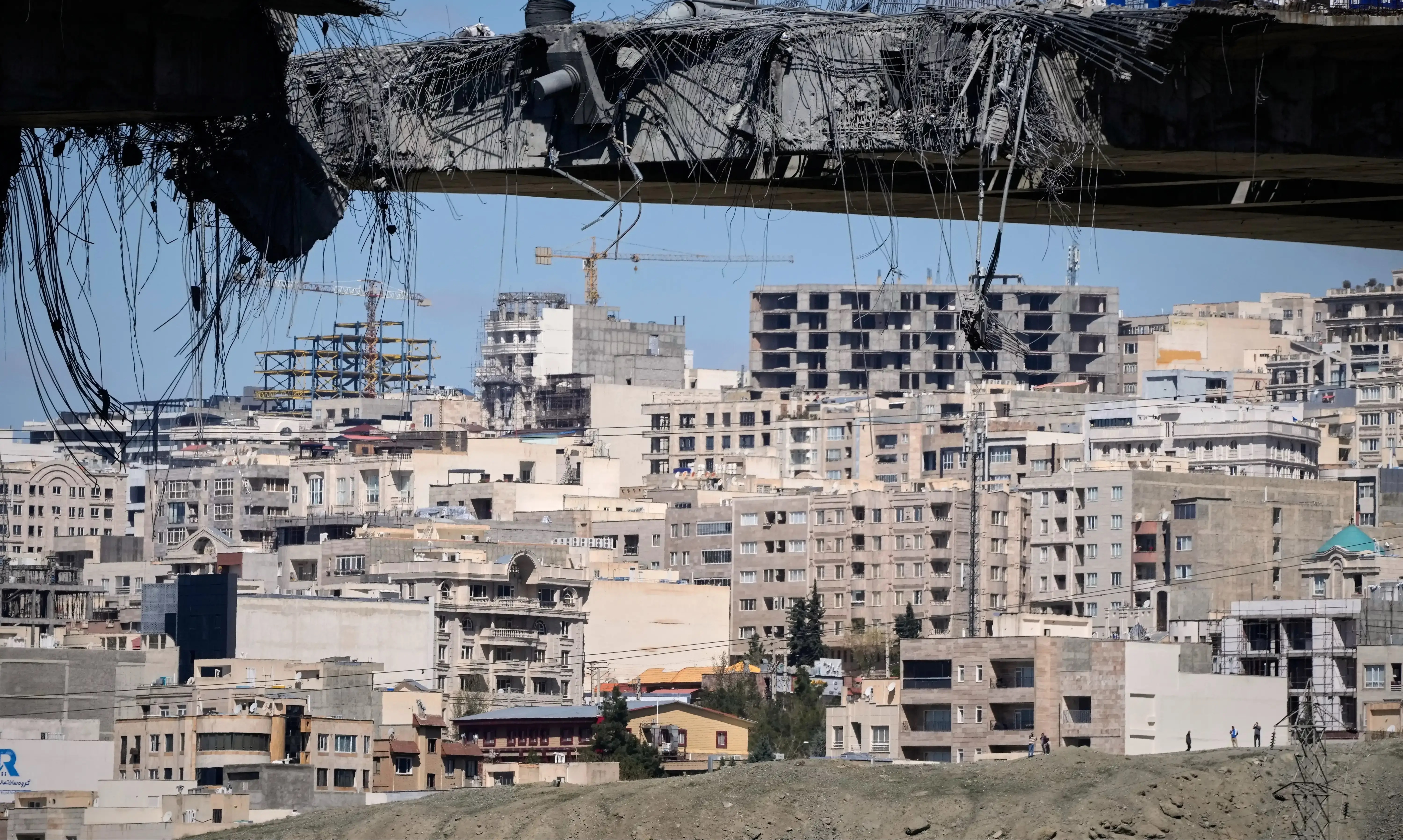
Algeria, and Venezuela. The committee reviewed current market conditions and underscored the importance of the Declaration of Cooperation (DoC) in maintaining global energy market stability. Concerns were raised about attacks on energy infrastructure, which can lead to costly and prolonged restoration efforts, thereby affecting supply availability. The JMMC highlighted the critical role of safeguarding international maritime routes to ensure the uninterrupted flow of energy. The committee commended DoC countries for using alternative export routes to mitigate market volatility. The JMMC retains the authority to convene additional meetings or request an OPEC and non-OPEC Ministerial Meeting, with the next meeting scheduled for June 7, 2026.
Why It's Important?
The emphasis on energy supply security by OPEC's JMMC is crucial for global economic stability. Disruptions in energy supply can lead to increased market volatility, affecting both producers and consumers worldwide. The committee's focus on alternative export routes and safeguarding maritime routes highlights the ongoing challenges in ensuring energy security amid geopolitical tensions and infrastructure vulnerabilities. This development is significant for the U.S. as it impacts global oil prices and energy market dynamics, influencing domestic energy policies and economic conditions. The stability of energy markets is vital for economic growth, and any disruptions can have far-reaching consequences for industries reliant on stable energy supplies.
What's Next?
The JMMC plans to continue monitoring market conditions closely and may convene additional meetings if necessary. The next scheduled meeting is on June 7, 2026. Stakeholders, including political leaders and energy companies, will likely keep a close watch on the committee's actions and recommendations, as these can influence global energy policies and market strategies. The focus on alternative export routes may lead to increased investments in infrastructure and technology to enhance energy security. Additionally, geopolitical developments and potential threats to energy infrastructure will remain key areas of concern for the committee and its member countries.