



What's Happening?
A JetBlue Airbus A320 experienced severe turbulence on a flight from Cancun to Newark, resulting in the aircraft dropping thousands of feet unexpectedly. This incident led to approximately 20 passengers being injured, with 15 requiring hospitalization.
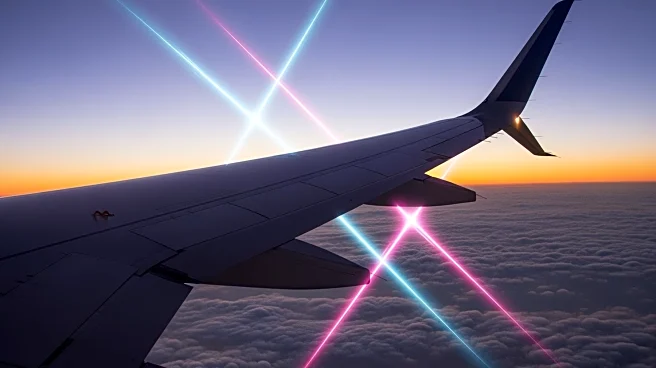
The turbulence was initially attributed to intense solar radiation affecting the plane's navigation equipment. However, Clive Dyer, a space and radiation expert from the University of Surrey, suggested that cosmic rays from a supernova explosion might have been responsible. These high-energy particles can interact with microelectronics, potentially causing hardware failures by inducing currents that disrupt electronic devices.
Why It's Important?
The incident highlights the vulnerability of modern aircraft to cosmic radiation, which can interfere with electronic systems critical to flight safety. This raises concerns about the robustness of aviation technology against cosmic events, which are unpredictable and can have severe consequences. The potential for cosmic rays to affect flight operations underscores the need for aircraft manufacturers to enhance the resilience of electronic systems. Ensuring that safety-critical units can withstand cosmic interference is crucial to prevent similar incidents in the future, thereby safeguarding passenger safety and maintaining trust in air travel.
What's Next?
In response to this incident, there may be increased scrutiny on the design and testing of aircraft electronics to ensure they can withstand cosmic radiation. Aviation authorities and manufacturers might consider revising standards and protocols to address these risks. Additionally, further research into cosmic rays and their impact on aviation could be prioritized to develop more effective protective measures. Airlines may also review their emergency response procedures to better handle unexpected turbulence and ensure passenger safety.