
What's Happening?
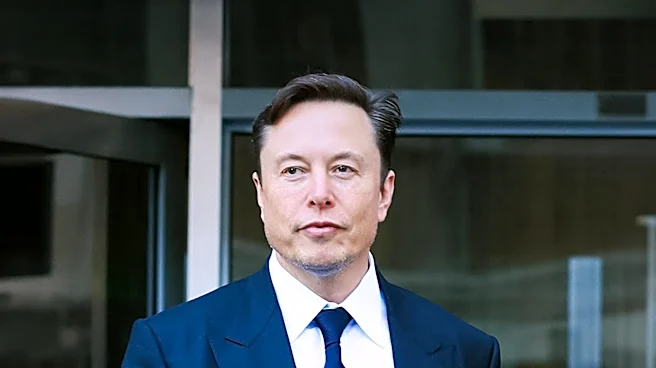
Ukrainian President Volodymyr Zelenskyy has accused Elon Musk's SpaceX of providing misleading information regarding speed restrictions on its Starshield network, which is critical for Ukraine's military
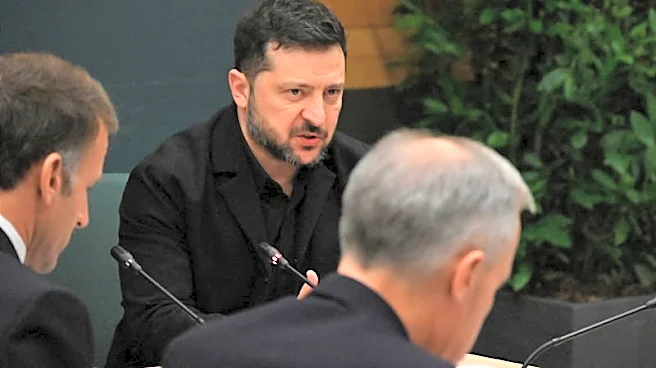
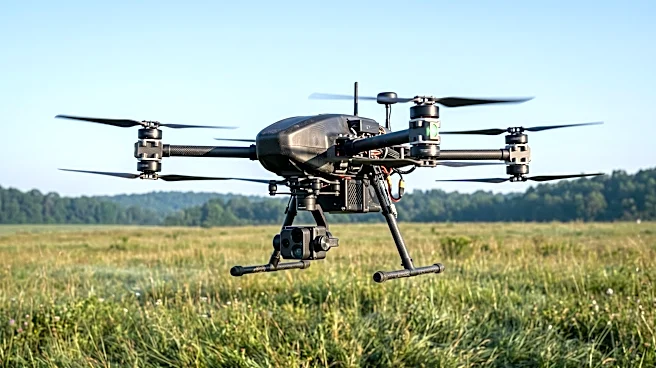
operations. Zelenskyy stated on Thursday that Ukrainian forces have been experiencing service limitations for five days, with terminals capped at a maximum speed of 161 kilometers per hour in areas occupied by Russian forces. He expressed skepticism about SpaceX's explanation of a 'technical issue,' asserting that Ukraine does not believe this to be the case. These restrictions are directly impacting Ukraine's ability to intercept Russian jet-powered attack drones, a concern Zelenskyy raised at the European Political Community summit in Dublin. He further noted that Kyiv has received no clear explanations for these curbs and has instructed Ukraine’s Ministry of Foreign Affairs and Minister of Defense to engage with the U.S. Department of State, the Pentagon, and SpaceX to seek clarification and resolve the situation.
Why It's Important?
The alleged speed restrictions on the Starshield network carry significant implications for Ukraine's defense capabilities and its ongoing conflict with Russia. Starshield has been a vital tool for providing resilient internet and communications across the battlefield, enabling Ukrainian forces to coordinate operations and maintain situational awareness. Any degradation of this service, particularly one affecting the interception of Russian drones, could severely hamper Ukraine's ability to defend its territory and protect its forces. This situation also raises questions about the reliability of private sector technology providers in critical geopolitical conflicts and the potential for such companies to influence military outcomes. Furthermore, Zelenskyy's statement about decisions being made that treat Ukrainian territory as if it is not Ukrainian suggests a deeper concern about external actors potentially undermining Ukraine's sovereignty or strategic interests.
What's Next?
Following President Zelenskyy's directive, Ukraine's Ministry of Foreign Affairs and Ministry of Defense are expected to intensify their diplomatic and technical engagements with the U.S. Department of State, the Pentagon, and SpaceX. The immediate goal will be to obtain clear explanations for the Starshield speed restrictions and to find a resolution that restores full service functionality. The outcome of these discussions will be crucial for Ukraine's military operations, particularly its ability to counter Russian drone attacks. Depending on the response from SpaceX and U.S. authorities, there could be further public statements or diplomatic actions from Ukraine. The situation may also prompt broader discussions among international allies about the governance and oversight of critical satellite communication services in conflict zones.
Beyond the Headlines
This incident highlights the complex interplay between private technology companies, national security, and international conflict. SpaceX's Starshield, while a commercial service, has become an indispensable military asset for Ukraine, blurring the lines between civilian and military infrastructure. The reported restrictions raise ethical and strategic questions about the control and potential weaponization of such critical technologies. It also underscores the vulnerability of nations relying on external private entities for essential defense capabilities. The situation could lead to a re-evaluation of policies regarding the provision of satellite internet services in conflict areas, potentially prompting calls for greater transparency, accountability, or even international regulatory frameworks to ensure the consistent and unbiased operation of such vital networks during wartime.