






What's Happening?
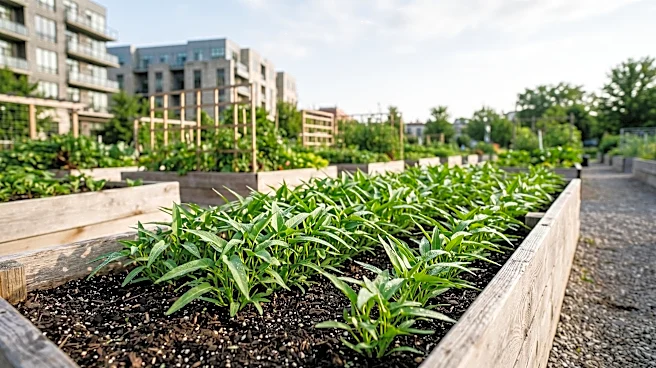
The Rohingya community in Chicago, a stateless Muslim minority from Myanmar, is actively preserving its culture through food, community gardens, and local businesses. Many Rohingya refugees, like Ahmed, cultivate traditional crops at Albany Park's Global
Gardens, reminiscent of their homeland. This effort is crucial for a people subjected to mass displacement, ethnic cleansing, and genocide in Myanmar, where their citizenship was stripped in 1982. The community also hosts events like the International Bazaar, featuring Rohingya and Southeast Asian cuisine, and has established several Rohingya-owned grocery stores and a cultural center on Devon Avenue. These initiatives provide essential services, foster cultural identity, and create economic opportunities for the estimated 3,500 Rohingya who have settled in Chicago.
Why It's Important?
The efforts of the Rohingya community in Chicago highlight the resilience of displaced populations in maintaining their cultural heritage and building new lives. By cultivating traditional foods and establishing businesses, they are not only preserving their unique cuisine and customs but also contributing to the diverse cultural and economic landscape of Chicago. This self-sufficiency and cultural preservation are particularly significant for a group that has faced severe persecution and statelessness, as recognized by the United Nations. The growth of Rohingya-owned enterprises and the establishment of the Rohingya Culture Center demonstrate a powerful model for refugee integration and community building, offering support services and a sense of belonging to newcomers while enriching the broader American society with their traditions and entrepreneurial spirit.
What's Next?
The Rohingya community in Chicago is expected to continue expanding its cultural and economic footprint. With the success of community gardens, cultural events, and the opening of new businesses, there is potential for further growth in Rohingya-owned restaurants and markets, like the one Ahmed and his wife Sofia envision. The Rohingya Culture Center will likely remain a vital hub, offering continued support in case management, health, translation, and education. As younger generations grow up in the U.S., efforts to teach them the Rohingya language, food, and traditions will be crucial for long-term cultural continuity. The community's ongoing engagement in local markets and the establishment of more cultural institutions will further solidify their presence and influence in Chicago.
Beyond the Headlines
The story of the Rohingya in Chicago extends beyond mere economic activity; it delves into profound themes of identity, memory, and the human spirit's capacity to rebuild. The act of growing traditional foods, often from seeds carried across continents, is a powerful symbol of resistance against erasure and a tangible link to a homeland many may never see again. The community's struggle to maintain its language and culinary traditions in a new environment speaks to the broader challenges faced by refugee populations worldwide. This cultural resilience, coupled with entrepreneurial drive, transforms displacement into an opportunity for cultural reassertion and community empowerment, offering a poignant narrative of how a persecuted minority can find strength and belonging through shared heritage and collective action in a new country.