






What's Happening?
The African Development Bank (AfDB) Group, in collaboration with government counterparts, UN partners, research institutions, and the World Food Programme (WFP), has launched the Boosting Agrifood Systems Resilience in Sudan (BOOST) program. This US$87
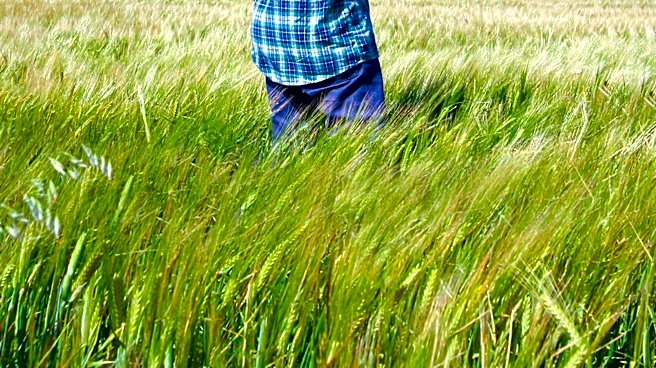
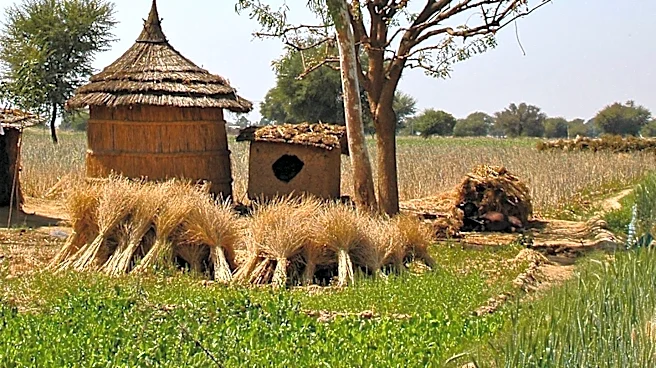
million initiative, funded by the AfDB, aims to enhance agricultural productivity and food security in Sudan. Implemented by the WFP, BOOST integrates financing, technical expertise, and partnerships to strengthen agricultural practices, improve market opportunities, and support long-term food security. The program is designed to assist over 230,000 farming households in Blue Nile and Sennar states through various interventions, including improved seed systems, climate-resilient agriculture techniques, enhanced post-harvest management, and stronger market linkages.
Why It's Important?
The BOOST program is critically important for Sudan, a nation facing significant challenges in food security and agricultural development. By targeting over 230,000 farming households, the initiative has the potential to make a substantial impact on the livelihoods of a large segment of the rural population. The focus on improved seed systems and climate-resilient agriculture is vital for adapting to changing environmental conditions and ensuring sustainable food production in the face of climate change. Furthermore, strengthening post-harvest management and market linkages will help farmers reduce losses and access better prices for their produce, thereby increasing their income and economic stability. This comprehensive approach addresses multiple facets of food insecurity, from production to market access, and is crucial for building long-term resilience in Sudan's agrifood systems.
What's Next?
The implementation of the BOOST program will now proceed in Blue Nile and Sennar states, with the WFP overseeing the various interventions. The success of the program will depend on effective coordination among all partners, including the AfDB, Sudanese government, UN agencies, and local communities. Monitoring and evaluation will be crucial to assess the impact of improved seed systems, climate-resilient agriculture, post-harvest management, and market linkages on the targeted farming households. The long-term goal is to create a sustainable model for agricultural development that can be replicated in other regions of Sudan, ultimately contributing to national food security and economic stability. Continued investment and support from international partners will be essential to sustain these efforts and expand their reach.
Beyond the Headlines
The BOOST program represents more than just an aid initiative; it signifies a strategic investment in the foundational elements of Sudan's economy and societal well-being. By focusing on agrifood systems, the program addresses not only immediate food needs but also the underlying structural issues that contribute to food insecurity. The emphasis on climate-resilient agriculture is particularly forward-thinking, acknowledging the increasing impact of climate change on agricultural productivity in vulnerable regions. Moreover, strengthening market linkages empowers farmers by integrating them more effectively into the broader economy, fostering entrepreneurship and reducing their reliance on subsistence farming. This holistic approach has the potential to create a ripple effect, improving health outcomes, educational opportunities, and overall community resilience, thereby contributing to broader peace and stability in the region.